Buying your first car is exciting, but without the right knowledge, it can also be risky. This guide helps you avoid scams and make a smart, confident purchase.
Start With a Budget and a Plan
Before you even step onto a lot or browse online listings, define your budget. Include not just the car’s price, but also taxes, registration, insurance, and future maintenance. According to Auto Cheat Sheet, one of the most common mistakes first-time buyers make is stretching their budget too far, often under pressure from salespeople.

Know What You Need, Not Just What You Want
It’s easy to get swept up in aesthetics or brand names, but your first car should match your lifestyle. Consider fuel efficiency, reliability, and safety ratings. Pre-owned vehicles are often ideal for first-time buyers.

Research the Car’s History
Always ask for a vehicle history report. Services like Carfax or AutoCheck can reveal accidents, title issues, and service records. If the seller hesitates or refuses, walk away. According to Consumer Reports, checking the car’s background is one of the most effective ways to avoid buying a car with serious issues.

Inspect Before You Buy
Never skip the inspection. Bring a trusted mechanic or use a detailed checklist. Look for rust, leaks, uneven tire wear, and dashboard warning lights. A thorough inspection can reveal hidden damage or poor maintenance.

Avoid High-Pressure Sales Tactics
Scammers often use urgency to push bad deals. If a seller insists you “act now” or won’t let you take time to think, that’s a red flag. According to Hagerty, pressure tactics are one of the most common signs of a scam, especially in online transactions.

Don’t Wire Money or Pay in Gift Cards
Legitimate sellers will never ask for wire transfers, gift cards, or cryptocurrency. These payment methods are untraceable and often used in fraud. Always use secure, verifiable payment methods like bank drafts or escrow services.

Verify Ownership and Title
Ask to see the title and verify that the name matches the seller’s ID. If the vehicle is listed “as-is,” make sure you’re aware of the legal responsibilities that come with it. The Federal Trade Commission outlines how dealers must disclose vehicle condition and warranty status.
Negotiate With Confidence
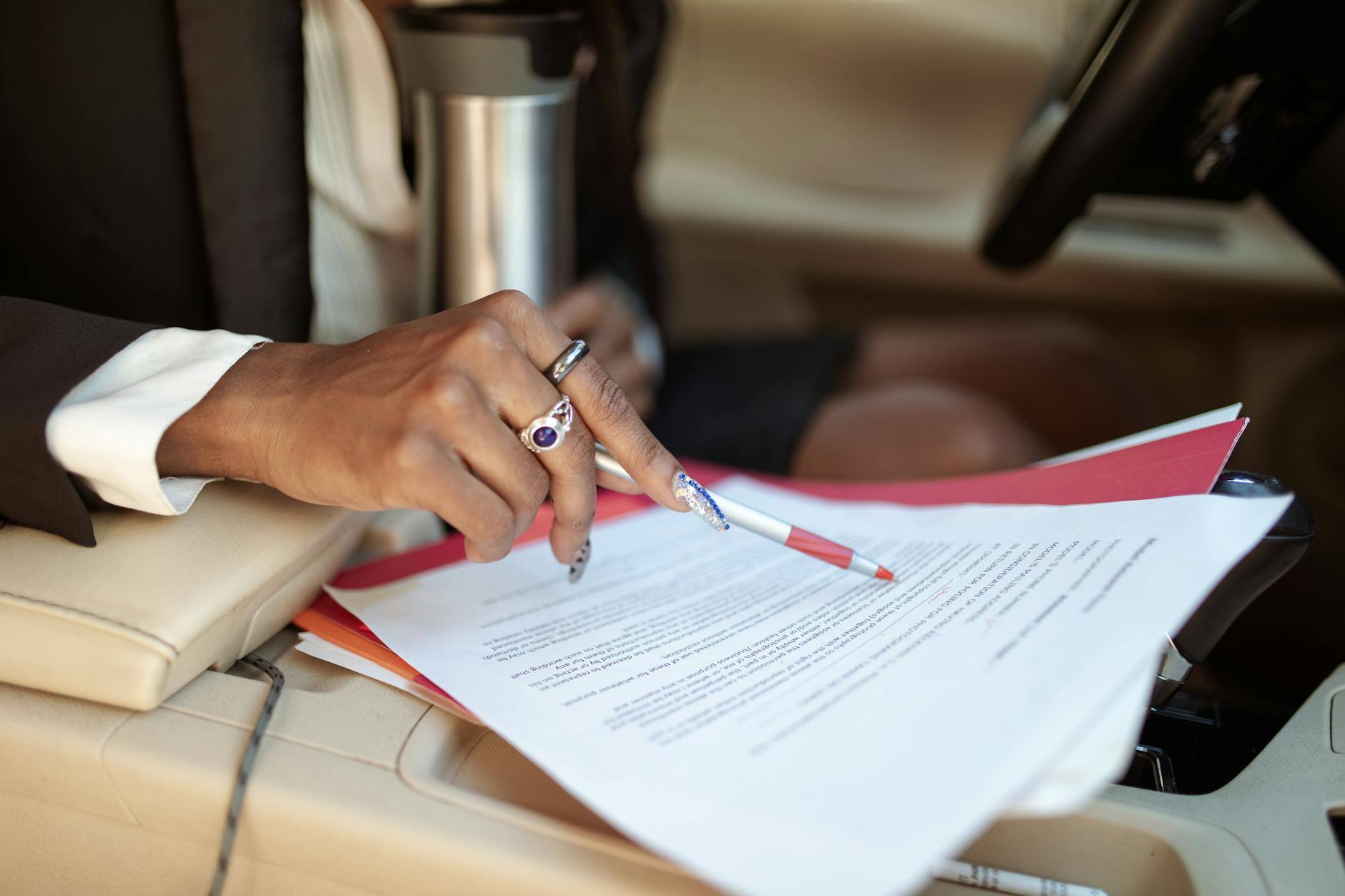
Know the car’s market value before negotiating. Use tools like Kelley Blue Book or Edmunds to get a fair price range. According to Capital One, being informed is your best leverage in negotiation.

Get Pre-Approved for Financing
Getting pre-approved helps you avoid high interest rates and sets a firm spending limit. According to California Credit Union, pre-approval also strengthens your position when negotiating with dealers.

Read Everything Before Signing
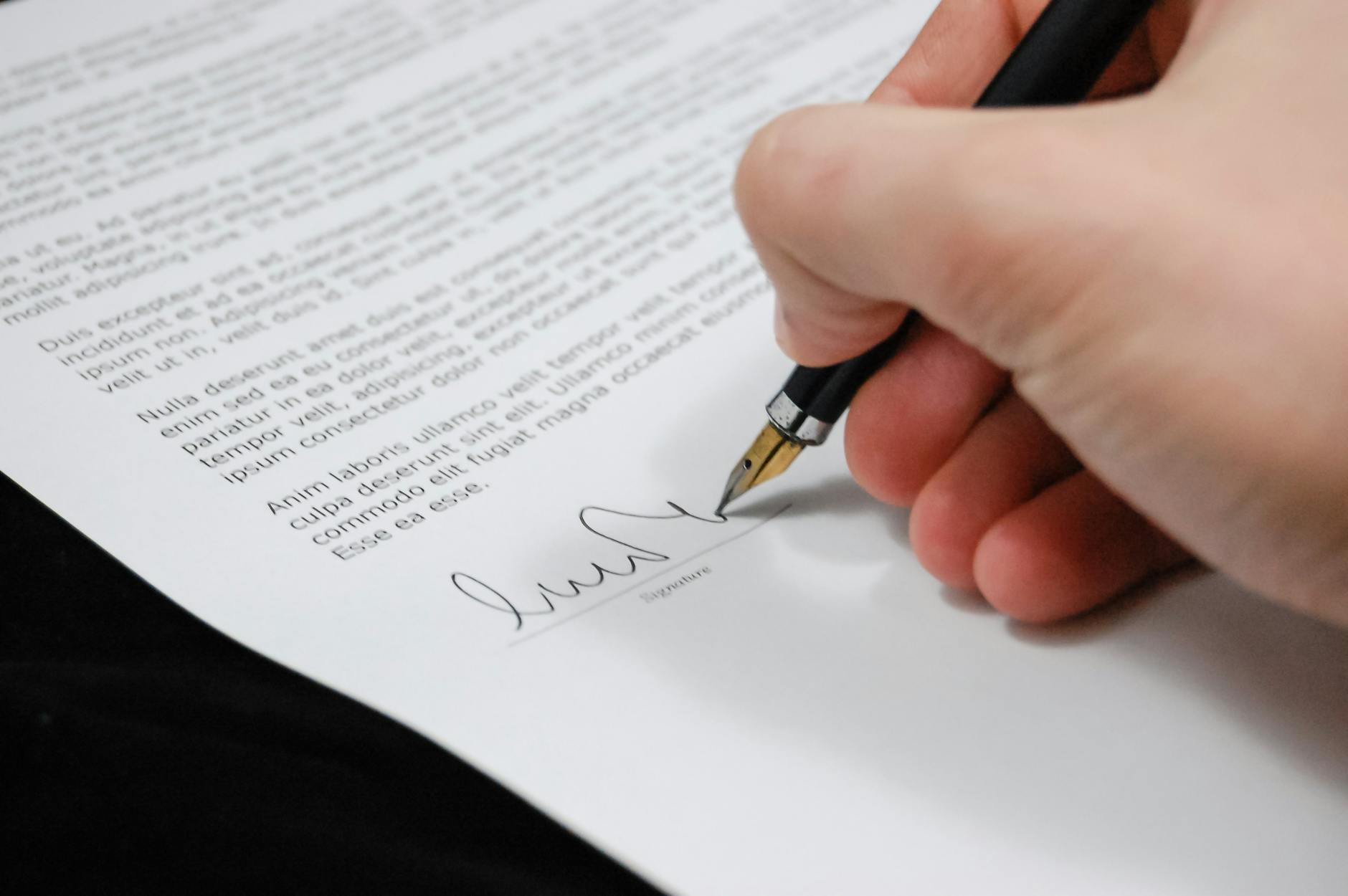
Contracts can include hidden fees, warranty exclusions, or unfavorable loan terms. Take your time and read every line. If something feels off, ask questions or walk away. According to Auto Cheat Sheet, failing to read the fine print is one of the top mistakes first-time buyers make.
Final Thoughts
Buying your first car should feel empowering, not stressful. By researching, inspecting, and staying alert to scams, you can make a confident decision that supports your lifestyle and budget. Be patient, trust yourself, and take thins slowly.






Leave a comment