A strong resume opens doors. This guide shows how to write a resume that stands out to recruiters, passes applicant tracking systems, and reflects your strengths clearly.
Start With a Clear Format
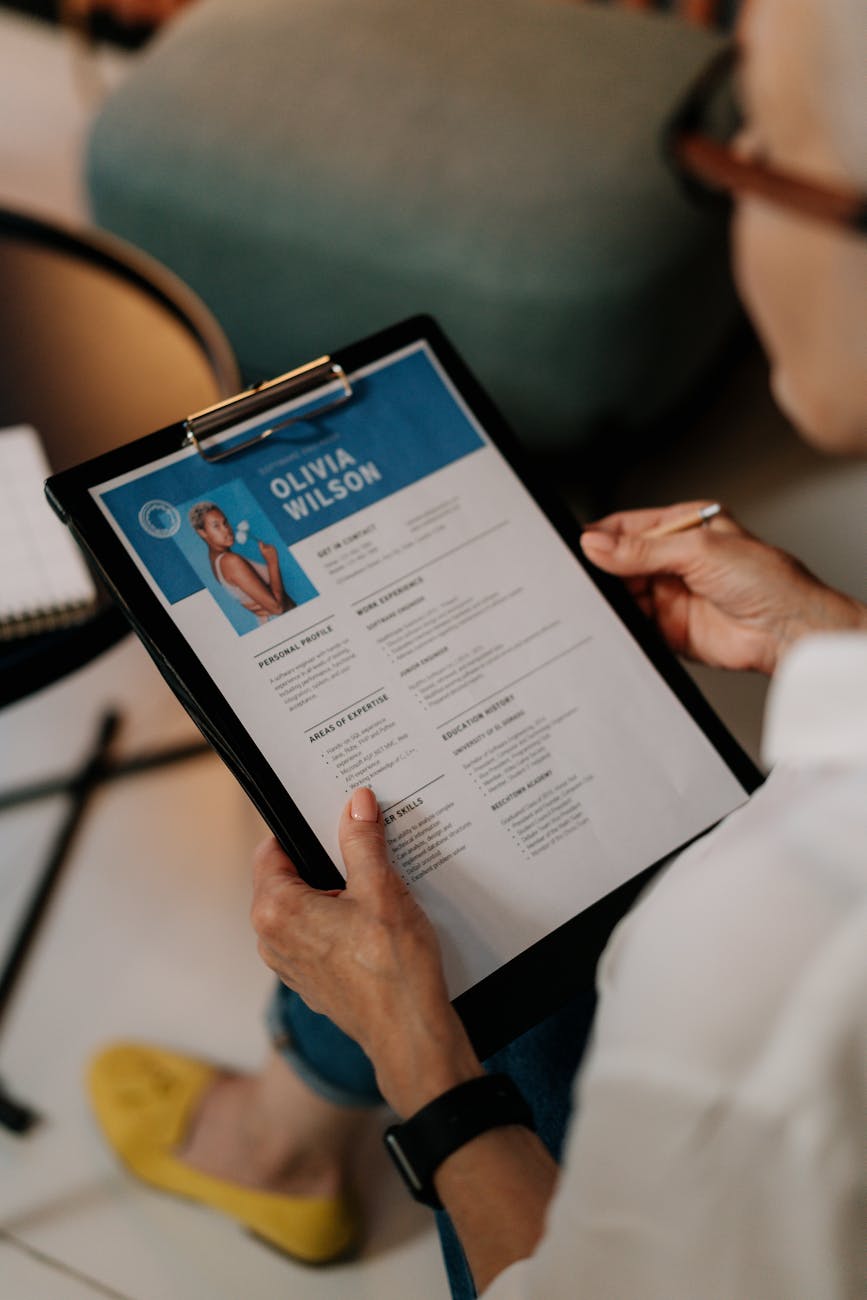
Your resume should be easy to scan. Use consistent margins, readable fonts, and clear section headings. According to the National Association of Colleges and Employers, recruiters spend an average of 6 to 8 seconds on an initial resume scan. A clean layout helps them find what they need quickly.
Choose the Right Resume Type
There are three main formats: chronological, functional, and hybrid. Chronological is best for those with consistent work history. Functional highlights skills over experience. Hybrid blends both. The U.S. Bureau of Labor Statistics recommends tailoring your format to your career goals and experience level.

Write a Strong Summary Statement
Your summary should be a brief snapshot of your qualifications. Focus on your value, not just your goals. For example: “Detail-oriented marketing assistant with 3 years of experience increasing engagement through targeted campaigns.” According to the Harvard Office of Career Services, a well-written summary can immediately position you as a strong candidate.

Use Keywords Strategically
Many companies use applicant tracking systems (ATS) to filter resumes. Include keywords from the job description to improve your chances of passing the scan. The Jobscan database shows that resumes with targeted keywords are 70 percent more likely to be seen by a human recruiter.
Focus on Achievements, Not Just Duties
Instead of listing tasks, show results. Use metrics when possible: “Increased social media engagement by 40 percent in six months.” According to the University of Michigan Career Center, quantifying impact makes your resume more persuasive and memorable.

Tailor Each Resume to the Job
Generic resumes rarely get noticed. Customize your resume for each application by emphasizing relevant skills and experiences. The Society for Human Resource Management reports that tailored resumes are significantly more likely to result in interviews.

Keep It Concise
Your resume should be one page for most entry-level roles, and no more than two pages for experienced professionals. Avoid filler words and focus on clarity. The Purdue Online Writing Lab recommends using bullet points and active language to keep content digestible.

Include Relevant Skills
List both hard and soft skills that match the job description. Examples include project management, data analysis, communication, and adaptability. The World Economic Forum highlights adaptability and tech literacy as top skills for future employment.

Proofread Carefully
Typos and formatting errors can cost you the interview. Read your resume aloud, use spell check, and ask someone else to review it. According to the National Resume Writers’ Association, even minor mistakes can signal a lack of attention to detail.

Add Optional Enhancements
Depending on your field, consider adding a portfolio link, certifications, or relevant coursework. Creative professionals may include design samples, while tech applicants might link to GitHub. The University of California Career Services recommends including only what enhances your candidacy.

Final Thoughts
A resume is more than a list, it’s a marketing tool. With the right format, keywords, and achievements, you can create a resume that gets noticed and opens doors. Keep refining, stay honest, and tailor each version to the opportunity.







Leave a comment