Postpartum is a season of transformation. For new moms, fall can bring both comfort and complexity. The cooler air, slower pace, and return to routine offer opportunities for grounding, but they can also amplify emotional shifts, physical recovery, and the need for support. Navigating postpartum wellness in autumn means creating cozy routines and emotional care strategies that honor your body, your rhythm, and your evolving identity.
According to The American College of Obstetricians and Gynecologists, postpartum recovery involves physical healing, hormonal changes, and emotional adjustment. These shifts can be intensified by seasonal transitions, especially when routines are disrupted or expectations feel high. Fall offers a natural invitation to slow down, simplify, and reconnect with what matters most.
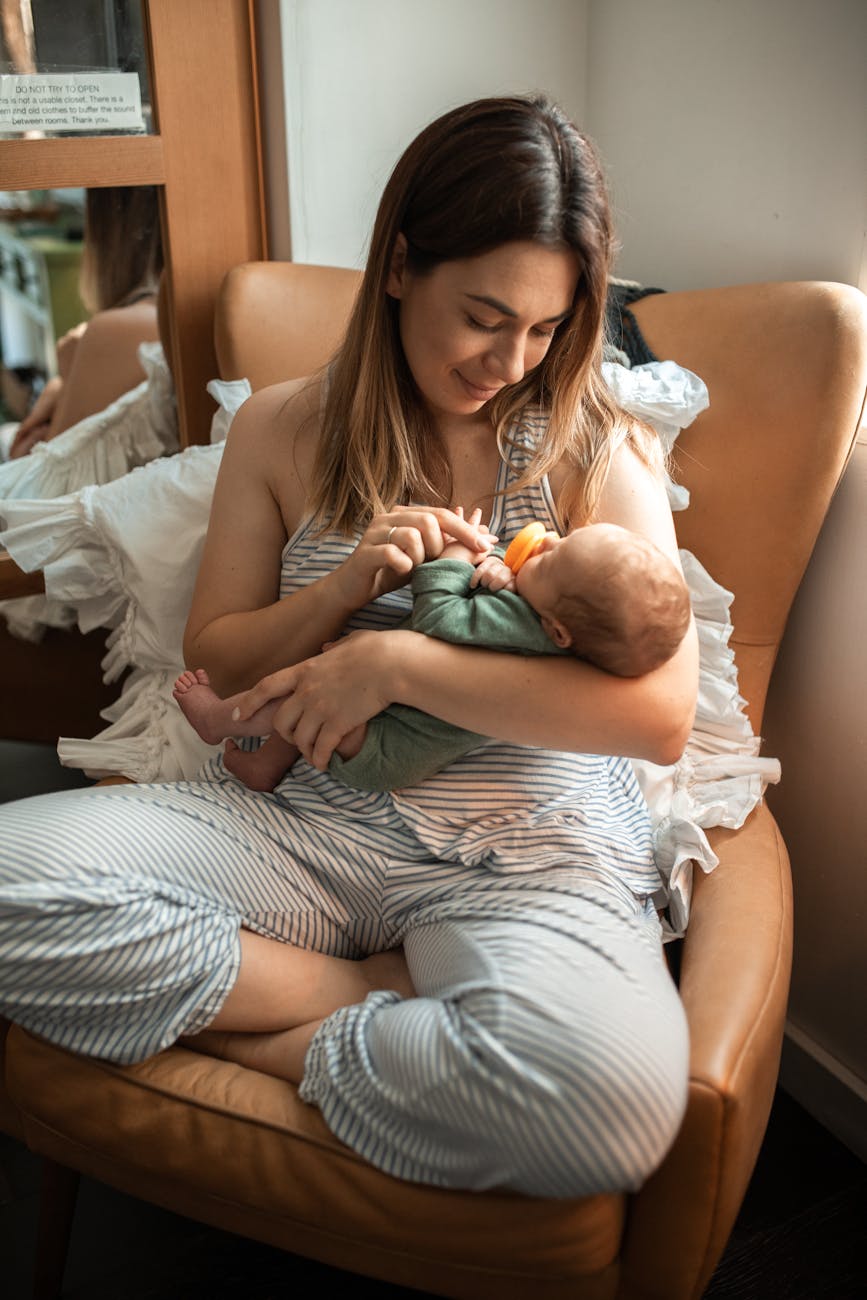
Why Fall Can Be Both Soothing and Challenging Postpartum
Autumn is often associated with nesting, warmth, and reflection. For new moms, these qualities can feel comforting. The seasonal shift encourages slower mornings, cozy evenings, and a return to home-based rhythms. However, fall also brings shorter days, colder weather, and increased social pressure, especially around holidays and family gatherings.
According to Postpartum Support International, emotional vulnerability is common during the postpartum period. Hormonal fluctuations, sleep deprivation, and identity changes can lead to mood swings, anxiety, or depression. Seasonal changes may compound these feelings, especially if routines are disrupted or support is limited.
Recognizing the dual nature of fall, its comfort and its complexity, can help new moms approach this season with more compassion and clarity.
Building Cozy Routines That Support Postpartum Wellness
Routines offer structure, predictability, and emotional safety. In postpartum life, they can be grounding tools that help regulate mood, reduce overwhelm, and support healing. Fall is an ideal time to build gentle routines that reflect your energy and needs.
Ideas for cozy postpartum routines:
- Morning rituals with warm drinks, soft lighting, and quiet reflection
- Afternoon walks with baby in a carrier or stroller, surrounded by fall colors
- Evening wind-downs with candlelight, music, and skin-to-skin time
- Weekly check-ins with a partner, friend, or therapist
- Gentle movement like stretching, yoga, or postpartum-safe exercises
According to Harvard Health, consistent routines support emotional regulation and reduce stress. They help new moms feel more in control and less reactive to external pressures.

Emotional Support Strategies for New Moms in Fall
Postpartum emotional care is not one-size-fits-all. It requires attunement, flexibility, and support systems that feel safe and accessible. Fall can be a time of emotional intensity, especially as holidays approach or social expectations rise. Creating a plan for emotional support helps reduce isolation and increase resilience.
Support strategies:
- Identify one or two people you can text or call when you feel overwhelmed
- Join a postpartum support group, either locally or online
- Schedule therapy or counseling sessions if emotions feel heavy or persistent
- Use journaling to process thoughts and track emotional patterns
- Practice self-compassion through affirmations, rest, and realistic expectations
According to The Cleveland Clinic, postpartum depression affects 1 in 7 women and often goes undiagnosed. Emotional support is essential, not optional, and should be part of every postpartum care plan.
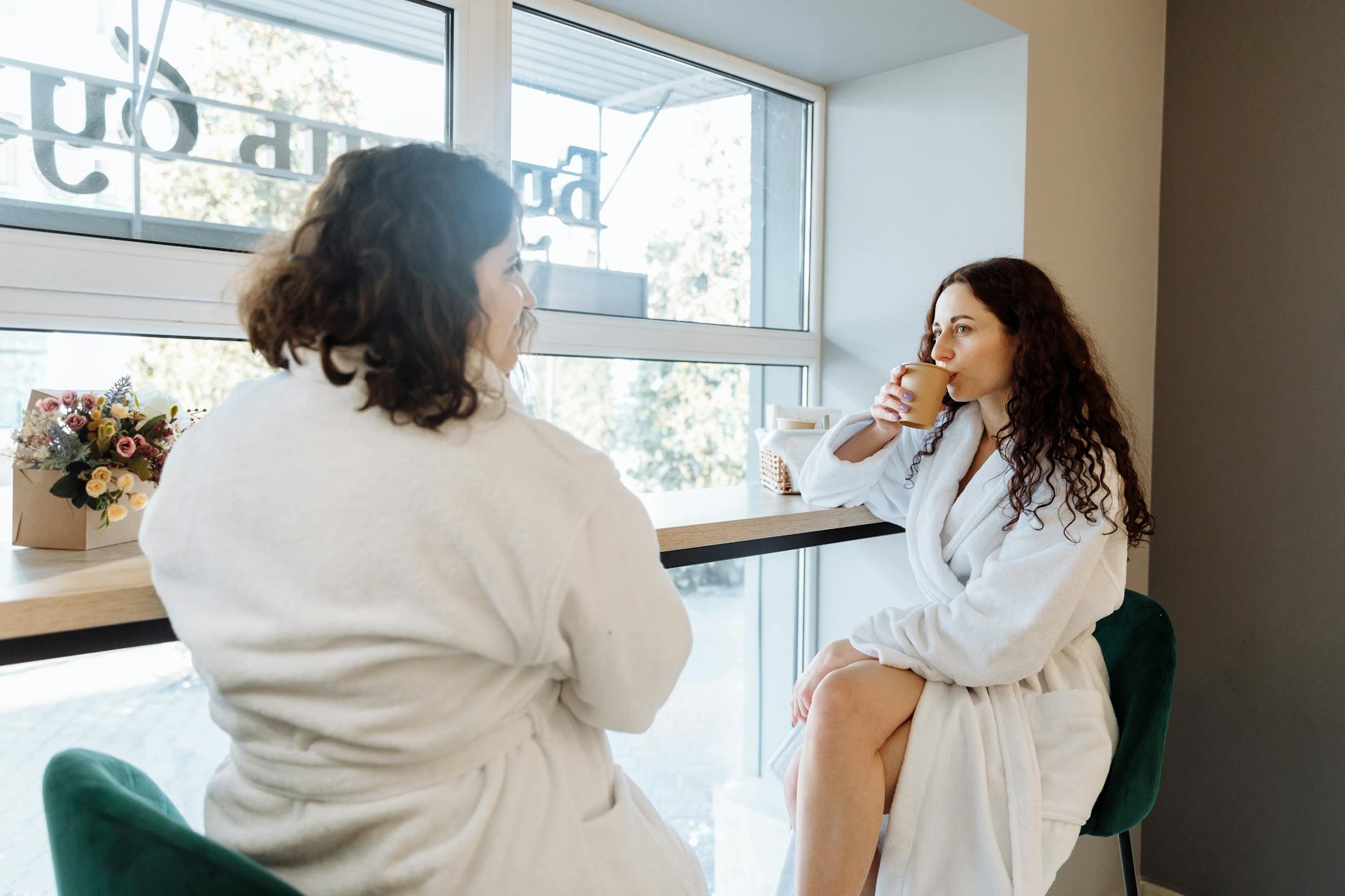
Nourishing Your Body with Seasonal Foods and Gentle Movement
Physical recovery is a core part of postpartum wellness. Fall offers an abundance of nourishing foods such as root vegetables, warm grains, and seasonal spices, that support healing and energy. Pairing these with gentle movement helps improve circulation, mood, and body awareness.
Nourishment tips:
- Prepare simple soups and stews with seasonal produce like squash, carrots, and sweet potatoes
- Keep healthy snacks nearby for breastfeeding or late-night hunger
- Drink warm teas that support digestion and relaxation
- Try postpartum-safe movement like walking, pelvic floor exercises, or restorative yoga
- Listen to your body and rest when needed, healing is not linear
According to Johns Hopkins Medicine, nutrition and movement play a key role in recovery. They support hormone balance, immune function, and emotional stability.

Creating a Home Environment That Feels Safe and Soothing
Your home becomes your world in postpartum. Creating a space that feels emotionally safe, visually calming, and physically supportive can make a significant difference in how you experience this season. Fall decor and cozy touches can help transform your environment into a sanctuary.
Home environment tips:
- Use soft lighting such as lamps, string lights, or candles, to reduce overstimulation
- Keep essentials within reach: diapers, snacks, water, and comfort items
- Decorate with warm tones, natural textures, and seasonal elements
- Create a “rest corner” with pillows, blankets, and a journal or book
- Reduce clutter and simplify spaces to support mental clarity
According to Psychology Today, our physical environment influences emotional processing and stress levels. A cozy, intentional space supports healing and connection.

Navigating Social Expectations and Setting Boundaries
Fall often brings increased social activity: family visits, holiday planning, and community events. For new moms, these can feel overwhelming. Setting boundaries around time, energy, and expectations is a form of emotional self-care.
Boundary-setting tips:
- Say no to events that feel draining or misaligned with your needs
- Communicate clearly with family about your availability and preferences
- Create rituals that feel meaningful to you, even if they differ from tradition
- Use phrases like “We’re keeping things quiet this year” or “We’re focusing on rest right now”
- Protect your postpartum space from unsolicited advice or comparison
According to Postpartum Support International, boundaries help reduce emotional overload and support recovery. They allow new moms to prioritize wellness without guilt.

Final Thoughts
Postpartum in fall is a season within a season: a time of deep transformation, emotional recalibration, and quiet strength. By creating cozy routines, seeking emotional support, and honoring your body’s needs, you can navigate this chapter with more clarity and care.



Leave a comment