Build a study schedule that works for your lifestyle and goals. This guide helps you stay consistent, reduce stress, and improve academic performance.
Why a Study Schedule Matters
A study schedule isn’t just about time management, it’s about building habits that support long-term success. Students who follow structured routines are more likely to retain information and perform better on exams. According to a study published in Educational Psychology, consistent study habits correlate with higher academic achievement and reduced anxiety.

Assess Your Time and Priorities
Before creating your schedule, take inventory of your weekly commitments. Include classes, work, meals, exercise, and downtime. Identify your most productive hours and block those for studying. Research from the University of Illinois shows that aligning study time with peak alertness improves focus and retention.

Set Clear Goals for Each Session
Vague intentions like “study biology” aren’t enough. Instead, define what you’ll accomplish: “review Chapter 3 notes and complete quiz.” This specificity boosts motivation and accountability. Use the SMART goal framework: Specific, Measurable, Achievable, Relevant, Time-bound. This is widely used in academic coaching to improve student outcomes.

Choose a Format That Works for You
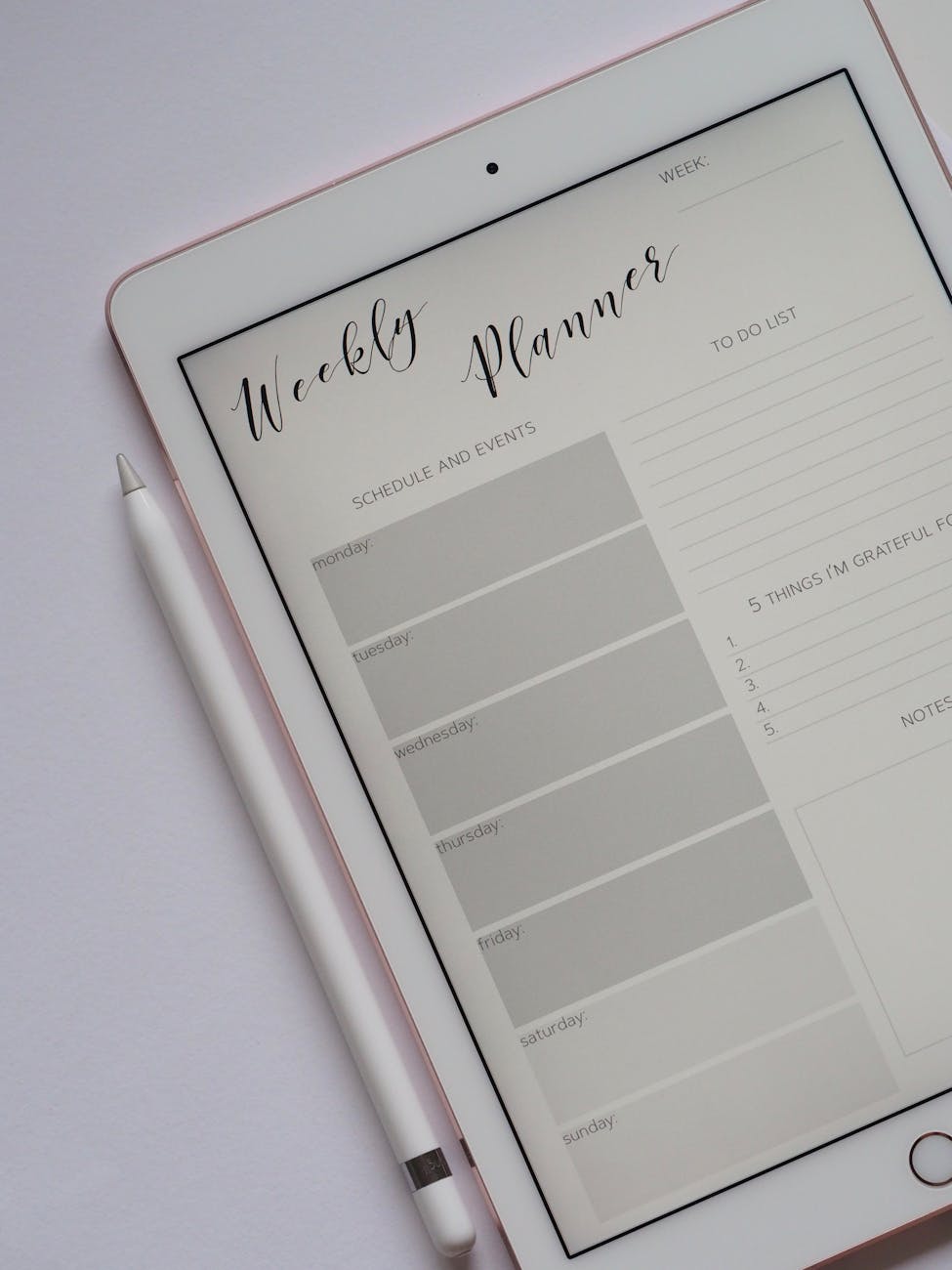
Whether you prefer digital tools or paper planners, consistency matters more than format. Apps like MyStudyLife or Google Calendar offer reminders and syncing, while printable templates provide visual clarity. A study from the University of California found that students who used planners regularly were more likely to meet deadlines and reduce procrastination.
Use Time Blocks and Breaks Strategically
The Pomodoro Technique is 25 minutes of focused work followed by a 5-minute break. It significantly reduces fatigue and helps your brain keep focusing better. Neuroscience research supports this rhythm, showing that short breaks improve cognitive performance and memory consolidation.

Build in Flexibility
Life happens. Relying on a fixed schedule can be frustrating when life throws curveballs. Instead, include buffer time and allow for adjustments. A flexible mindset improves resilience and helps you stay committed even when your day doesn’t go perfectly. Studies on academic resilience emphasize adaptability as a key factor in long-term success.

Track Your Progress
Use checklists, habit trackers, or weekly reviews to monitor your consistency. Reflect often on what’s working and what needs to be adjusted. This feedback loop reinforces motivation and helps you refine your strategy. According to The Journal of Educational Psychology, self-monitoring improves academic performance and builds metacognitive skills.

Avoid Common Pitfalls
Overloading your schedule, skipping breaks, or ignoring your energy levels can sabotage your efforts. Try to be realistic about how much you can do in a day or in a time period. The American Psychological Association warns that chronic overcommitment leads to stress, fatigue, and reduced academic performance.

Make It Enjoyable
Incorporate elements that make studying feel less like a chore. Use music, cozy lighting, or favorite snacks during sessions. Pair subjects with specific rooms such as history or english at the library and math or science at your dining table . Research on environmental cues shows that associating tasks with pleasant surroundings improves focus and emotional engagement.

Revisit and Revise Monthly
Your schedule should evolve with your workload and goals. At the end of each month, review your progress and adjust your plan. This keeps your routine fresh and aligned with your academic calendar. A study from Educational Research Review found that students who periodically revise their study plans are more likely to maintain long-term consistency.
Final Thoughts
Creating a study schedule that sticks is about more than just planning—it’s about building a system that supports your goals, adapts to your life, and keeps you motivated. With the right tools and mindset, your study routine can become a source of confidence and clarity.







Leave a comment