Mental health thrives on consistency. This guide explores daily habits that improve emotional well-being, reduce stress, and build resilience through simple, science-backed routines.
Start With a Consistent Routine
A predictable daily structure helps regulate mood and reduce anxiety. According to research from the City of Bridgeport, individuals with consistent morning routines report fewer symptoms of depression than those with irregular schedules. Begin with regular wake-up times, meal patterns, and sleep hygiene.

Prioritize Quality Sleep
Sleep is foundational to mental health. The Centers for Disease Control and Prevention recommends 7 to 9 hours of sleep for young adults. Poor sleep increases the risk of anxiety and depression, while consistent rest improves emotional regulation and cognitive function.

Move Your Body Daily
Physical activity boosts mood and reduces stress. A study from U.S. News found that regular exercise can reduce poor mental health days by over 40 percent. Whether it’s walking, stretching, or dancing, movement supports both physical and emotional well-being.

Practice Mindfulness and Self-Talk
Mindfulness helps you stay present and reduce rumination. According to Psychology Today, techniques like distanced self-talk and cognitive reappraisal can interrupt negative thought spirals. When stressed, ask yourself, “Is this thought helpful right now?”

Eat Nourishing Foods
Nutrition plays a key role in mental health. Balanced meals with whole grains, lean proteins, and healthy fats support brain function. The American Psychiatric Association emphasizes that a healthy diet can reduce symptoms of depression and anxiety.

Stay Hydrated
Dehydration can affect concentration and mood. Aim for 6 to 8 glasses of water daily, adjusting for activity level and climate. Hydration supports energy, focus, and emotional stability throughout the day.

Schedule Intentional Breaks
Mental fatigue builds when we push through without rest. To help improve focus and reduce burnout, try taking a short break every 60 to 90 minutes. According to U.S. News, intentional pauses help reset your nervous system and boost productivity.

Connect With Others
Social interaction is essential for emotional resilience. Even brief conversations can lift your mood. The American College Health Association reports that students with strong social connections experience lower rates of mental health issues.

Limit Screen Time
Excessive screen use, especially social media, can increase anxiety and disrupt sleep. Set boundaries around device use, especially before bed. The Sleep Foundation recommends avoiding screens at least 30 minutes before sleep to support melatonin production.

Celebrate Small Wins
Recognizing progress builds confidence and motivation. Whether it’s completing a task, reaching out to a friend, or sticking to your routine, take time to acknowledge it. Psychology Today highlights that self-compassion and positive reinforcement reduce anxiety and improve recovery from setbacks.
Final Thoughts
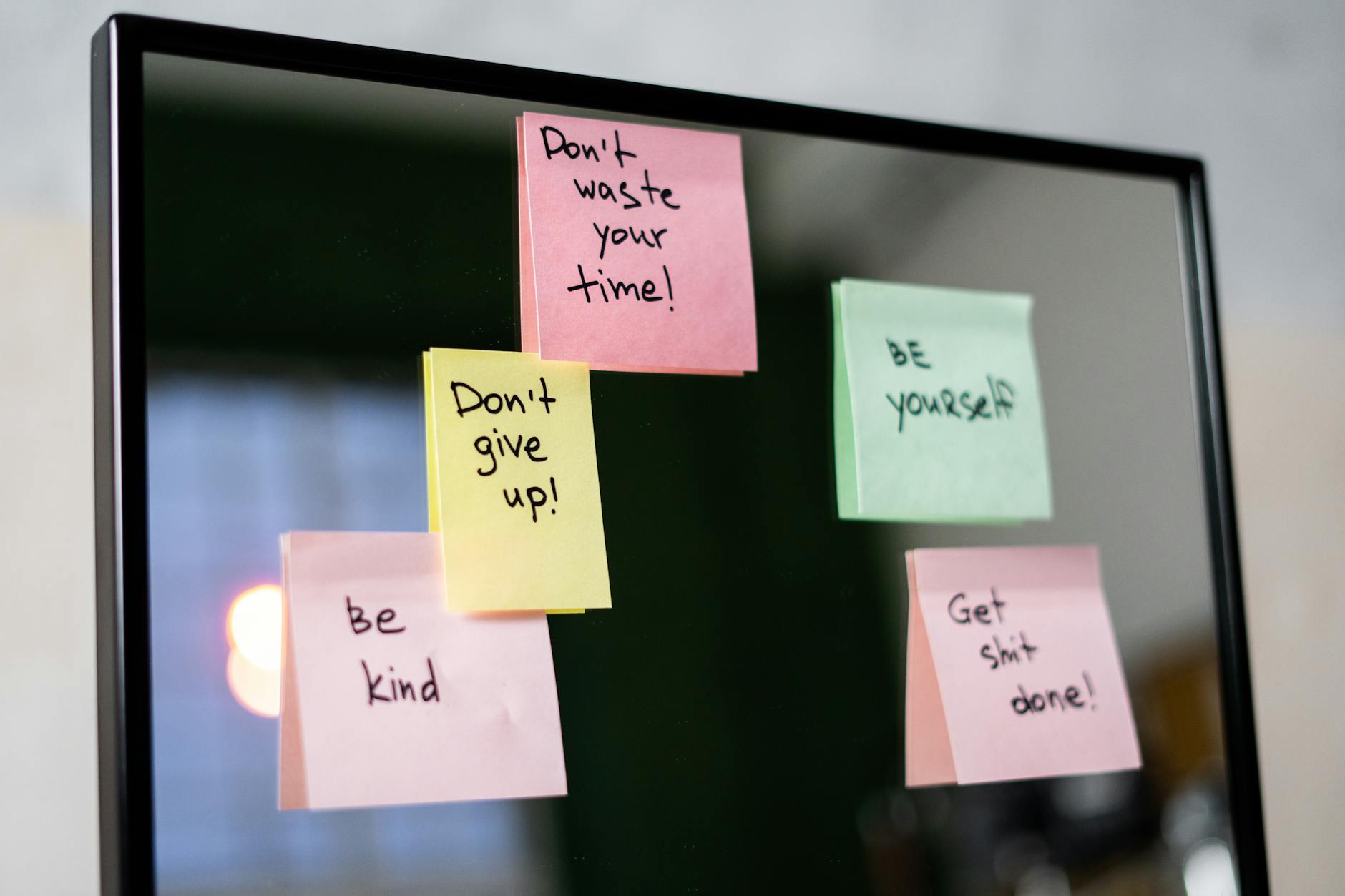
Mental health is shaped by daily choices. By building routines that support rest, movement, connection, and reflection, you create a foundation for emotional strength and clarity. Start with just one thing and see how it helps.






Leave a comment