Create a dorm space that feels like home. This guide covers essential items for comfort, organization, and style to help students thrive in small spaces.
Start With the Basics
Before adding decor or extras, make sure you have the foundational items. These include bedding, towels, laundry supplies, and basic toiletries. According to the National Retail Federation, students spend an average of $1,367 on college essentials, with bedding and cleaning supplies among the top categories.

Invest in Quality Bedding
Sleep affects everything from mood to academic performance. Choose soft sheets, a mattress topper, and a comforter that suits your climate. The Centers for Disease Control and Prevention recommends 7 to 9 hours of sleep for young adults, and a cozy bed makes that easier to achieve.

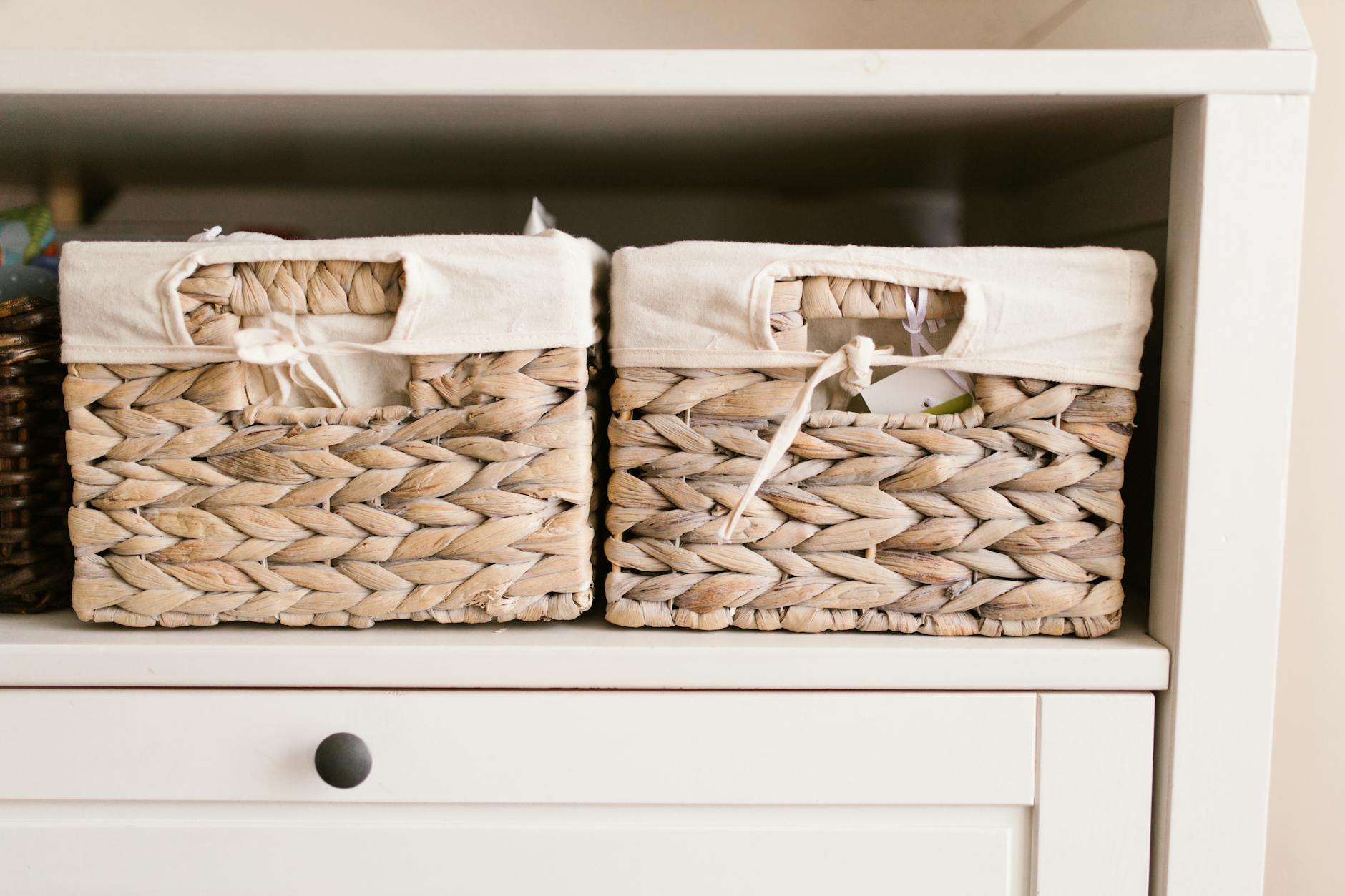
Maximize Storage With Multi-Use Items
Dorm rooms are small, so every item should serve a purpose. Use under-bed bins, over-the-door organizers, and storage ottomans. According to the American College Health Association, messy rooms can make it hard to focus and increases stress. Smart storage techniques help maintain a calm and focused environment.
Create a Study-Friendly Zone
A designated study area improves concentration and productivity. Things you may want to include are noise-canceling headphones, a desk lamp, a comfortable chair, and maybe even a little potted plant. The Journal of Environmental Psychology found that personalized, organized study spaces lead to better academic outcomes and reduced distractions.

Add Soft Lighting and Ambience
Harsh overhead lights can feel sterile. Use string lights, desk lamps, or LED strips to create warmth. Lighting affects mood and sleep cycles, and the Sleep Foundation recommends soft lighting in the evening to support healthy sleep habits.

Include Items That Feel Like Home
Comfort isn’t just physical, it’s emotional. Bring photos, a favorite mug, or a cozy throw. Familiar items help reduce homesickness and create a sense of belonging. Research from the University of California shows that emotional comfort improves resilience and academic engagement.

Keep It Clean and Fresh
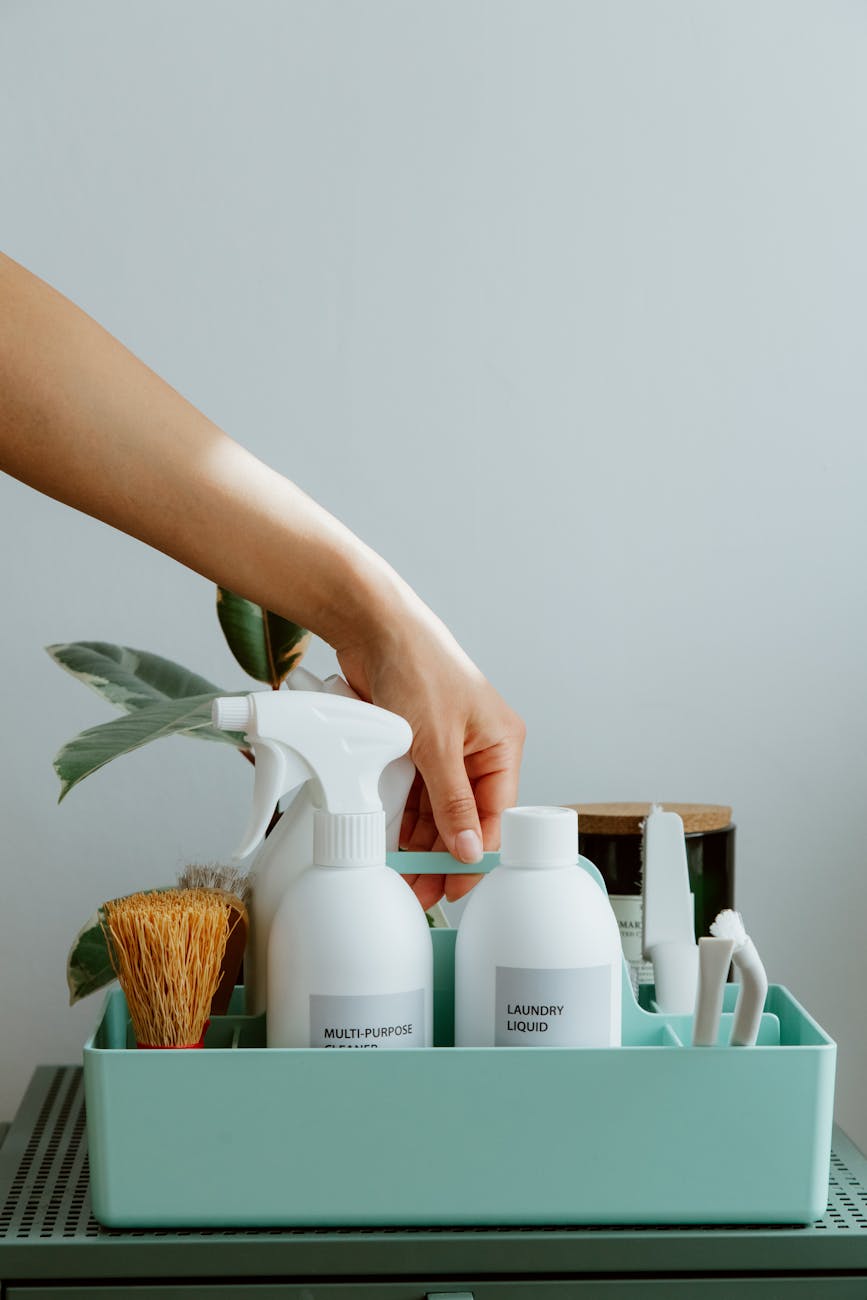
A clean space supports mental clarity. Stock up on disinfecting wipes, a small vacuum, and air fresheners. The American Lung Association emphasizes the importance of indoor air quality, especially in shared living spaces. Cleanliness also helps prevent illness and allergies.
Use Functional Decor
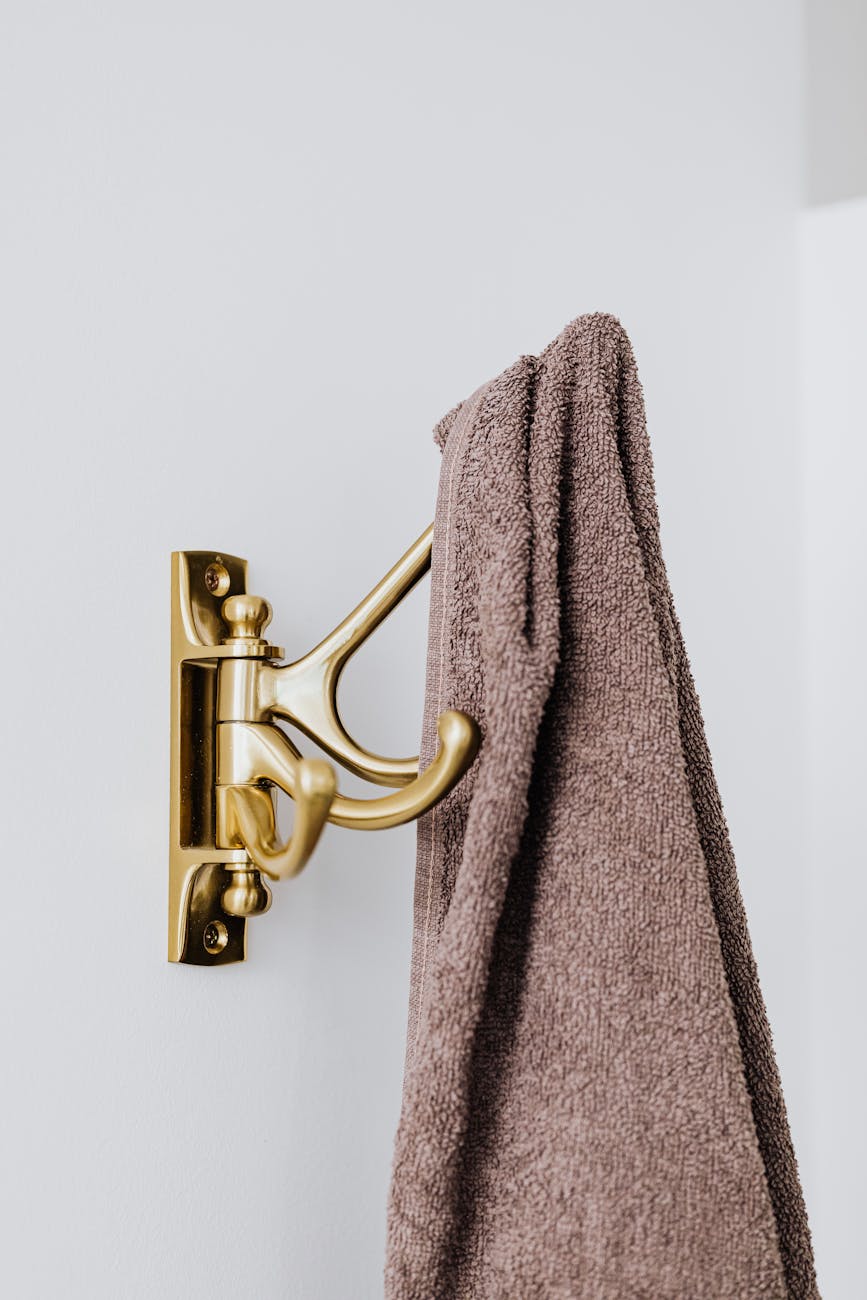
Decor can be both stylish and practical. Opt for wall-mounted hooks, magnetic boards, or foldable furniture. According to the Environmental Protection Agency, choosing multi-use items reduces waste and supports sustainable living.
Prioritize Comfort in Seating
Dorm chairs are often stiff and utilitarian. Add a seat cushion, bean bag, or small armchair if space allows. Comfortable seating encourages relaxation and socializing. The National Sleep Foundation notes that physical comfort contributes to emotional well-being and better sleep hygiene.

Plan for Seasonal Changes
Dorms can be cold in the winter and hot in the summer. Keep a fan, extra blanket, and blackout curtains on hand. Seasonal comfort improves sleep and focus, and the CDC highlights temperature regulation as a key factor in sleep quality.

Final Thoughts
Your dorm room should be more than just a place to sleep, it should support your comfort, focus, and personal style. With the right essentials, you can create a space that feels like home and helps you thrive.






Leave a comment