Discover your authentic fashion identity with practical steps, mindset shifts, and research-backed strategies that help you build a wardrobe that reflects who you truly are.
Why Personal Style Matters
Your personal style goes beyond what you wear; it reflects your identity, enhances self-assurance, and supports a more mindful, purpose-driven lifestyle. When your wardrobe reflects your personality, values, and lifestyle, getting dressed becomes easier and more enjoyable. Instead of following fleeting trends, you begin selecting clothing that genuinely reflects your personality and preferences.
According to InStyle, developing a personal style helps reduce decision fatigue and increases satisfaction with your wardrobe. It also encourages mindful consumption, which can save money and reduce clutter.
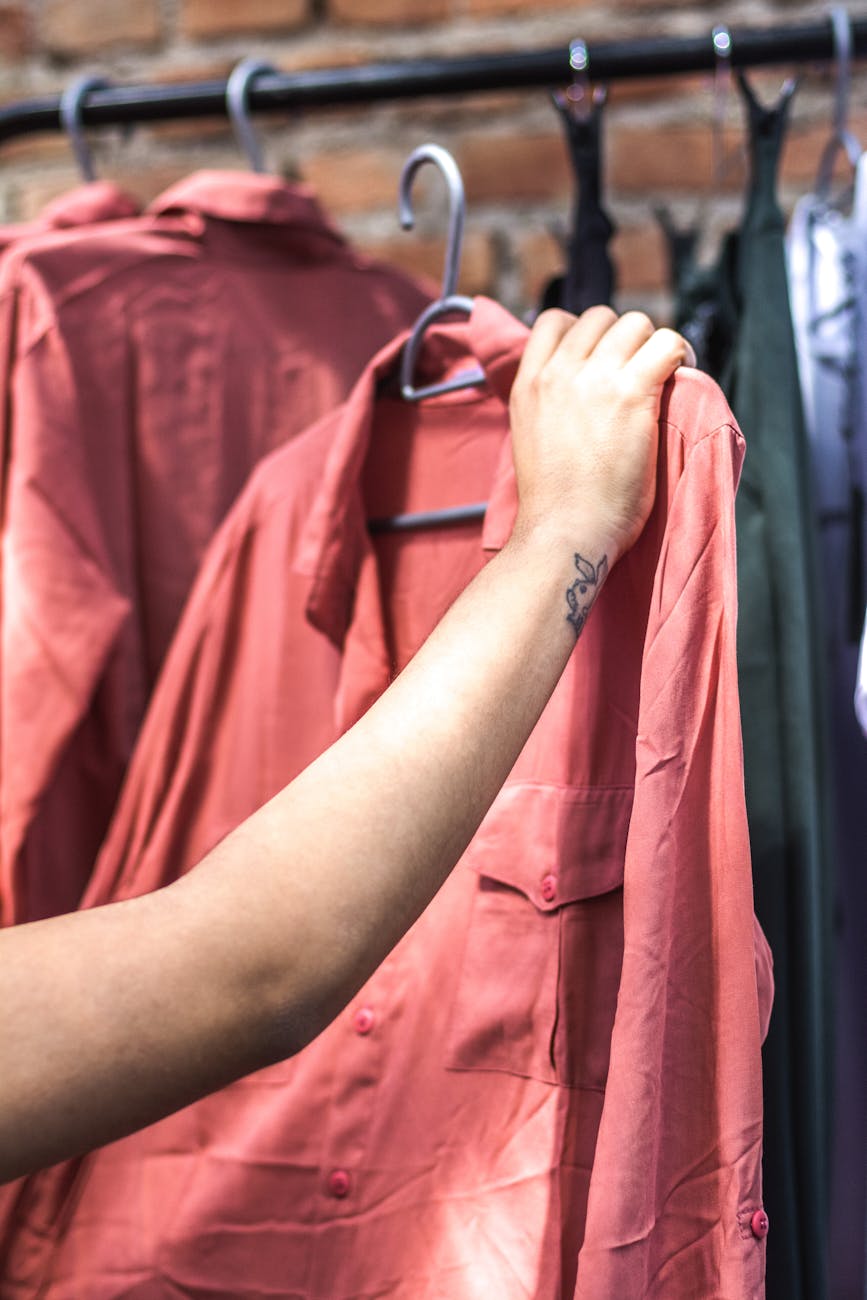
Step 1: Define How You Want to Feel
Before diving into aesthetics, ask yourself how you want to feel in your clothes. Confident? Grounded? Creative? Comfortable? These emotional cues are the foundation of your style. Write down three words that describe your ideal feeling when dressed.
It encourages you to prioritize how your clothing makes you feel rather than how it looks to others. It helps you choose pieces that support your daily life and emotional well-being. According to Minimize My Mess, aligning your wardrobe with your emotional goals leads to more consistent and satisfying outfit choices.

Step 2: Audit Your Closet
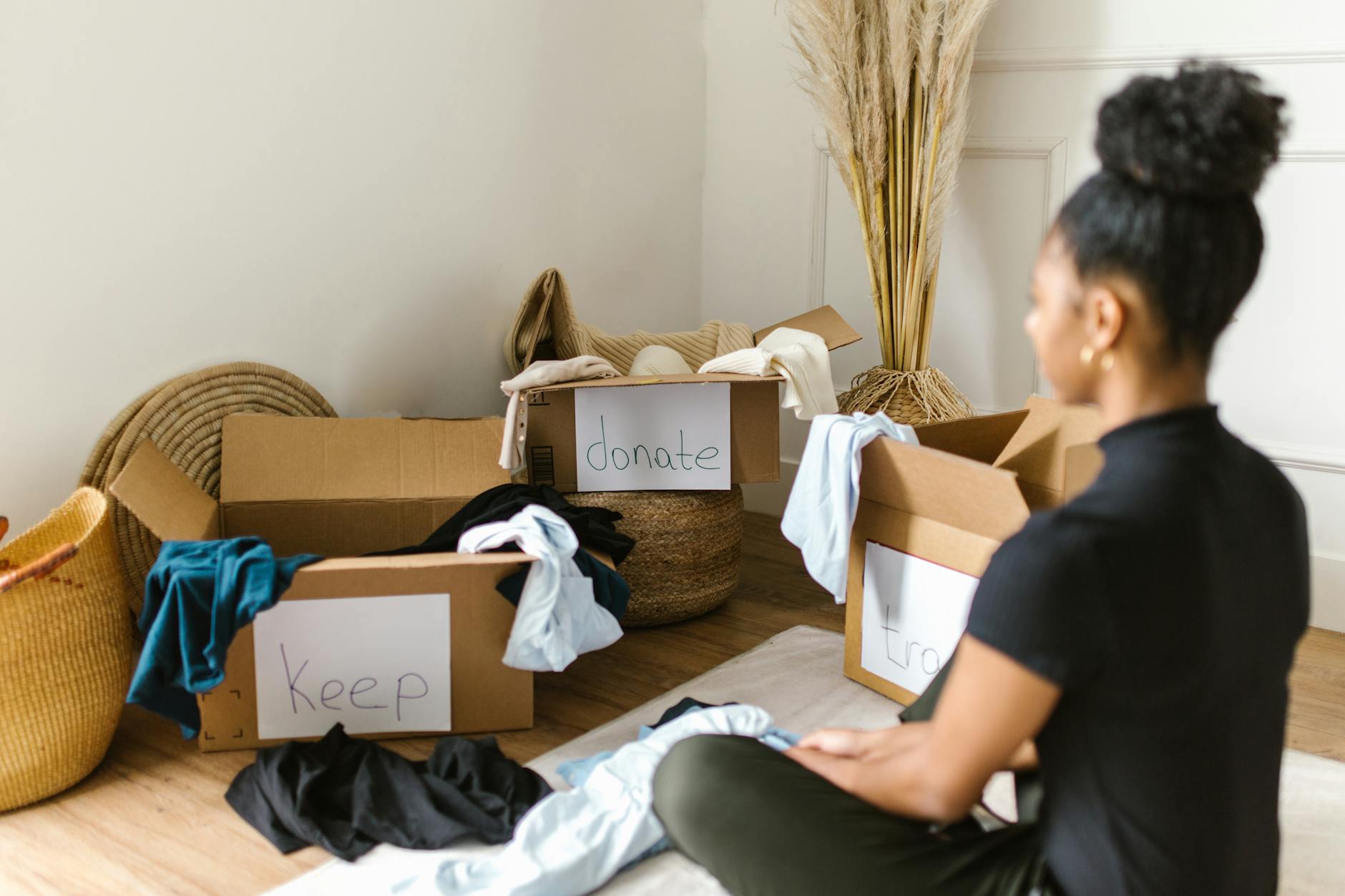
Take inventory of what you already own. Pull out your favorite pieces and ask yourself why you love them. Is it the fit, the color, the texture, or the way they make you feel? Look for patterns in your preferences.
Next, identify what you rarely wear and why. Is it uncomfortable, hard to style, or simply not “you”? This process helps clarify your likes and dislikes, making future purchases more intentional.
As noted in Harvard Business Review, a clutter-free environment, including your wardrobe, can positively influence focus and lower stress levels. A focused closet supports a focused mind.
Step 3: Explore Style Archetypes
Style archetypes are broad categories that help you identify your aesthetic preferences. Examples include:
- Minimalist: clean lines, neutral tones, simplicity
- Bohemian: flowy fabrics, earthy colors, eclectic accessories
- Classic: tailored pieces, timeless silhouettes, structured layers
- Romantic: soft textures, feminine details, pastel palettes
- Edgy: bold cuts, dark tones, statement pieces
You don’t need to fit into one box. Most people blend two or three archetypes to create a signature look. According to Minimize My Mess, combining multiple styles creates a more authentic and flexible wardrobe.
Step 4: Create a Visual Reference
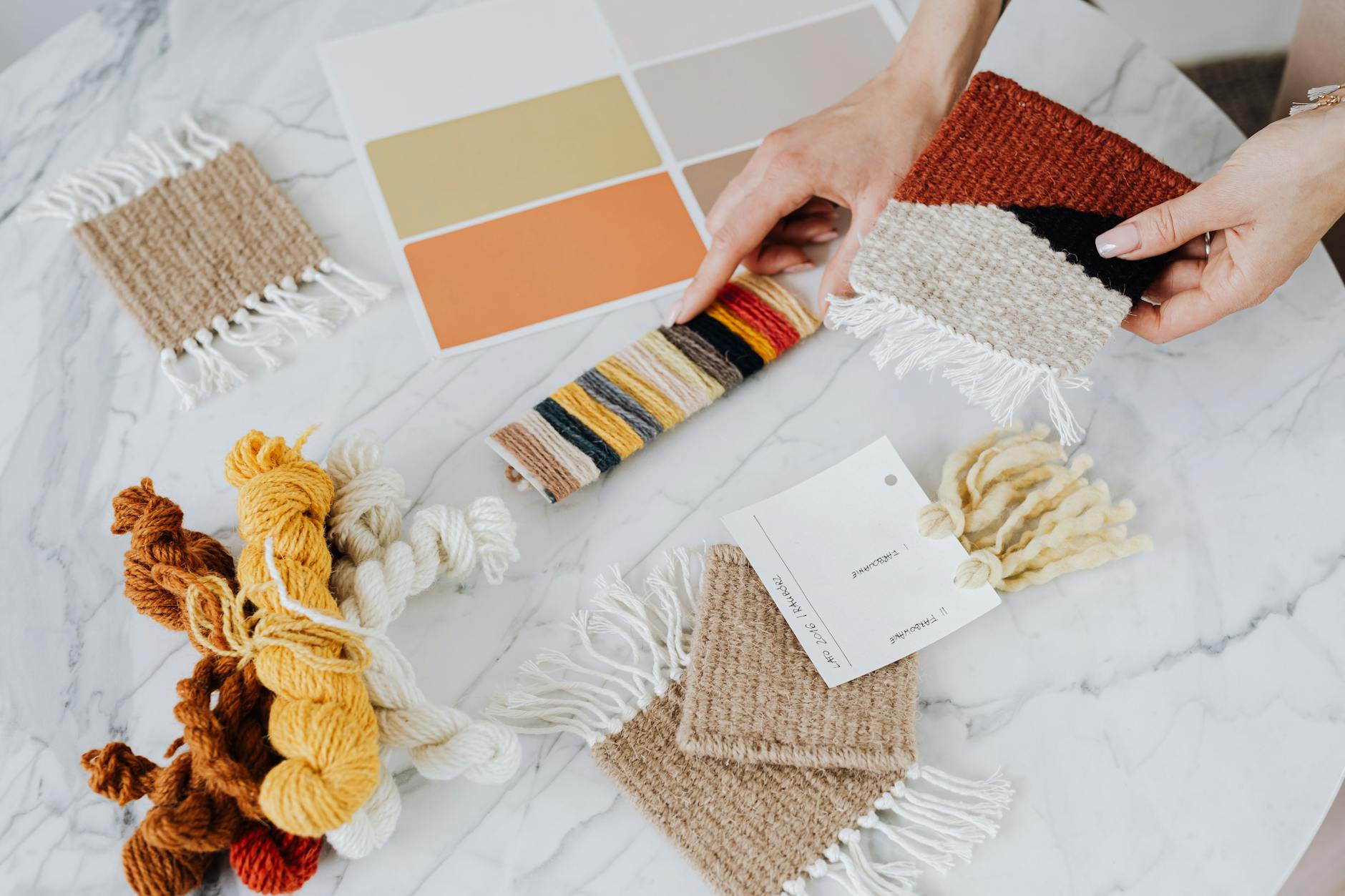
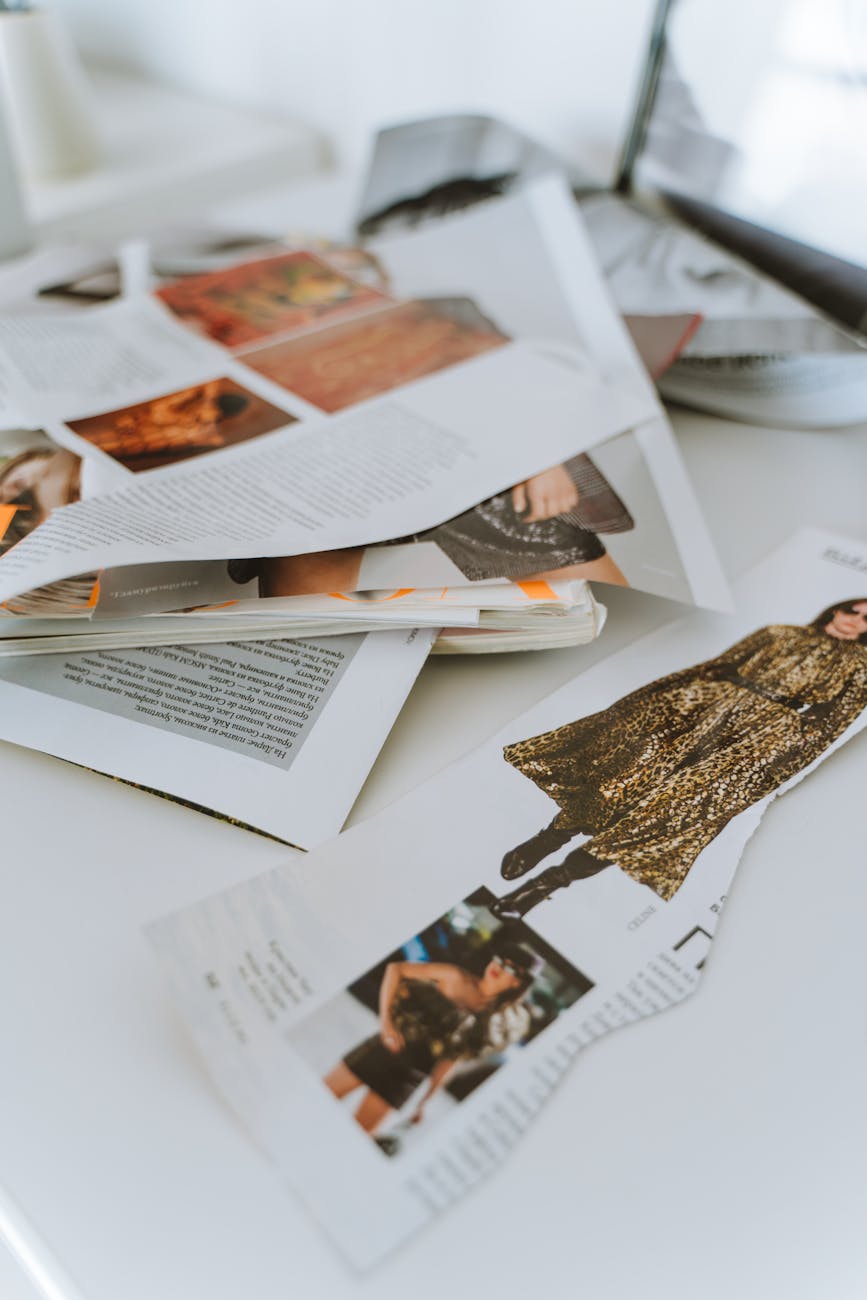
Use Pinterest, saved Instagram posts, or a physical mood board to collect images that resonate with you. Focus on outfits, colors, textures, and silhouettes, not just trends. Over time, you’ll notice recurring themes that reflect your style.
This visual reference becomes a guide for shopping, styling, and editing your wardrobe. It helps you stay focused and avoid impulse buys that don’t align with your aesthetic.
According to Psychology Today, visual cues in clothing influence both self-perception and how others perceive you. Thoughtfully shaping your wardrobe can boost self-assurance and help you feel more aligned with your identity.
Step 5: Try a Style Challenge
To test your evolving style, try a 10×10 challenge: choose 10 pieces and style them into 10 outfits over 10 days. This helps you experiment with combinations, identify gaps, and refine your preferences.
You can also try dressing with a theme for a week, like “soft textures” or “earth tones”, to explore how certain elements make you feel. These mini experiments build confidence and reduce overwhelm.
According to The Journal of Consumer Psychology, engaging in style-related challenges can increase self-efficacy and satisfaction with personal appearance.
Step 6: Shop with Intention
When adding new pieces, ask yourself:
- Does this align with my style words or archetypes?
- Can I wear it with at least three items I already own?
- Does it support how I want to feel?
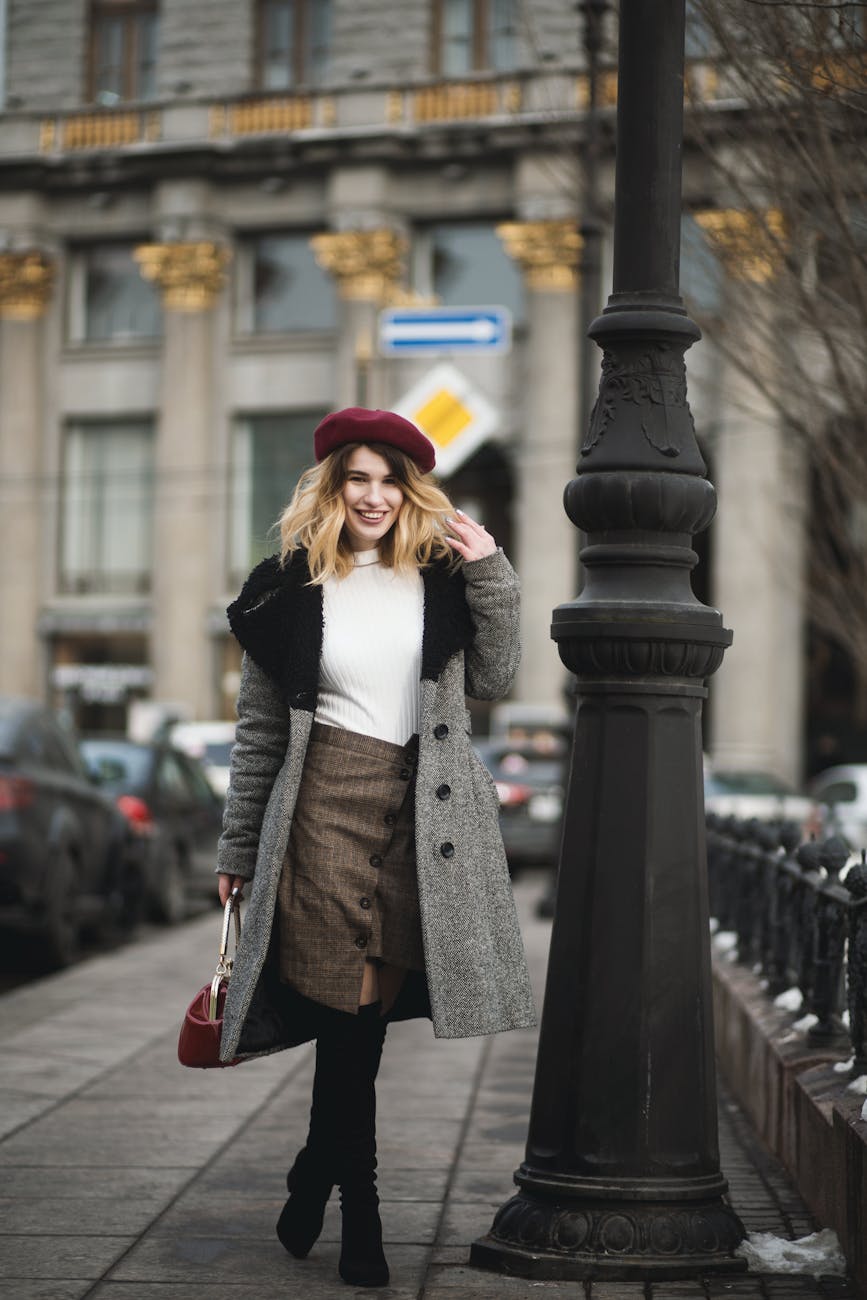
Avoid buying for trends or occasions you don’t actually attend. Instead, invest in versatile pieces that reflect your lifestyle and values. Shopping intentionally reduces waste and builds a wardrobe you’ll actually wear.
According to The Business of Fashion, intentional shopping habits contribute to sustainability and reduce fashion-related stress.

Step 7: Evolve Over Time
Your personal style isn’t static. It will shift as your life, body, and preferences change. Check in with your style themes, visual inspiration, and wardrobe seasonally to ensure they still reflect your evolving taste. Let go of pieces that no longer serve you and welcome new ones with intention.
Your personal style bridges the gap between how you feel inside and how you choose to present yourself outwardly.l for self-discovery and empowerment.




Leave a comment