Streamline your week with simple, time-saving meal prep strategies designed for busy people. Eat healthier, save money, and reduce stress without spending hours in the kitchen.
Why Meal Prep Matters When You’re Busy
Meal prepping is more than a trend, it’s a practical solution for anyone juggling work, family, and personal goals. Preparing meals ahead of time helps reduce decision fatigue, save money, and support healthier eating habits. According to Harvard T.H. Chan School of Public Health, planning meals in advance increases the likelihood of choosing nutrient-dense foods and avoiding ultra-processed options.
When your schedule is packed, the last thing you want is to scramble for dinner or rely on takeout. Meal prep offers structure without rigidity, giving you more control over your time and energy.
Start with a Simple Plan
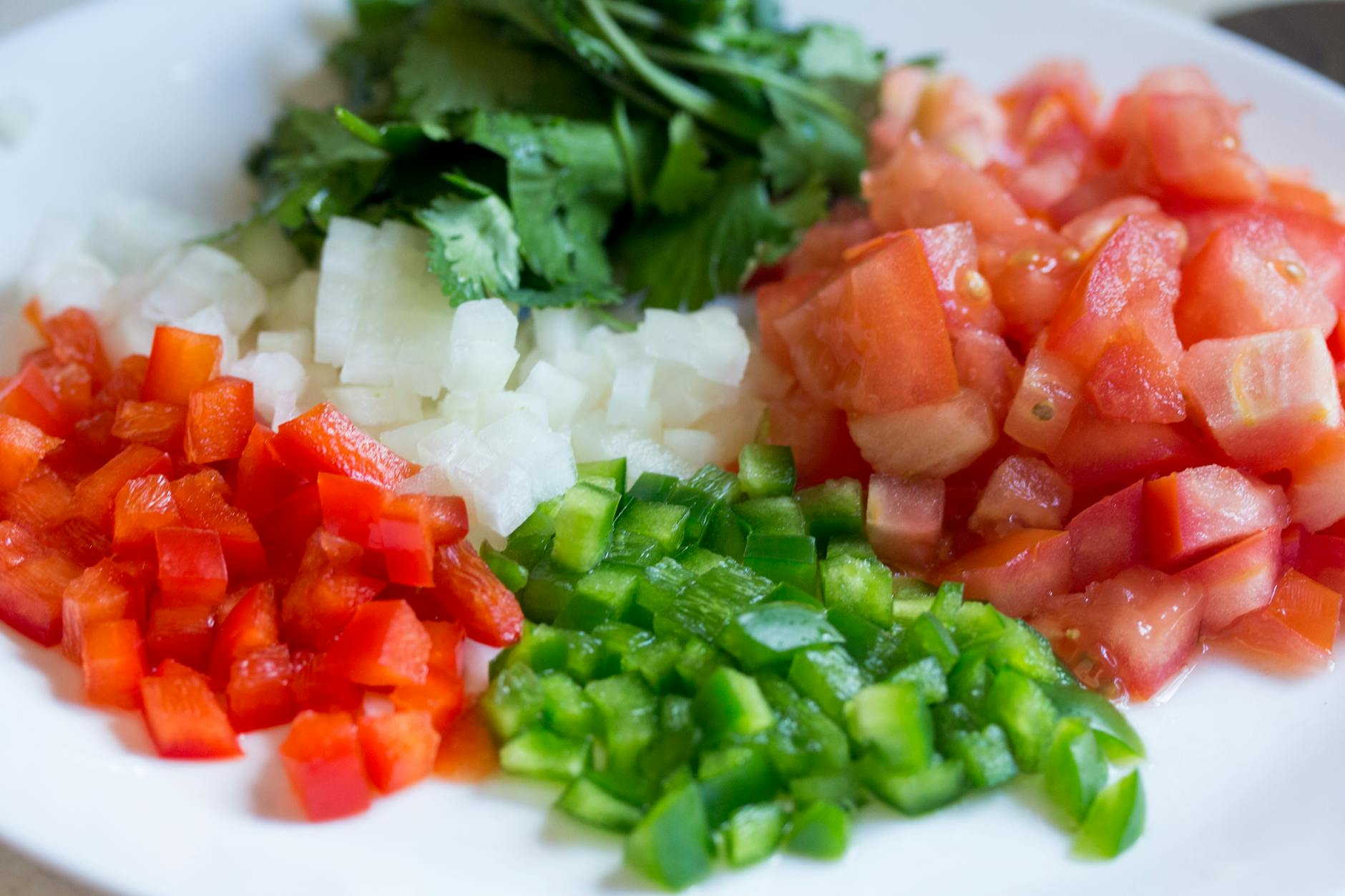
The key to successful meal prep is simplicity. Begin by choosing 2–3 meals you know you’ll enjoy and that use overlapping ingredients. This reduces shopping time and minimizes waste. For example, roasted vegetables can be used in grain bowls, wraps, and omelets throughout the week.
Write out your weekly schedule and identify which meals need to be prepped. Focus on the busiest times, like weekday lunches or post-work dinners. BuzzFeed’s meal prep guide suggests that busy individuals benefit most from prepping once a week and keeping daily cooking time to under 20 minutes.

Choose Ingredients That Work Hard
Opt for ingredients that are versatile, easy to cook, and store well. Some examples include:
- Quinoa, brown rice, or couscous
- Roasted sweet potatoes or carrots
- Grilled chicken, tofu, or canned beans
- Leafy greens, cucumbers, and bell peppers
- Simple sauces like tahini, pesto, or vinaigrette
Batch cooking these staples allows you to mix and match throughout the week. According to Wellness with Edie, ingredient prepping is often more effective than full meal prepping because it offers flexibility and reduces burnout from repetitive meals.
Use Time-Saving Tools
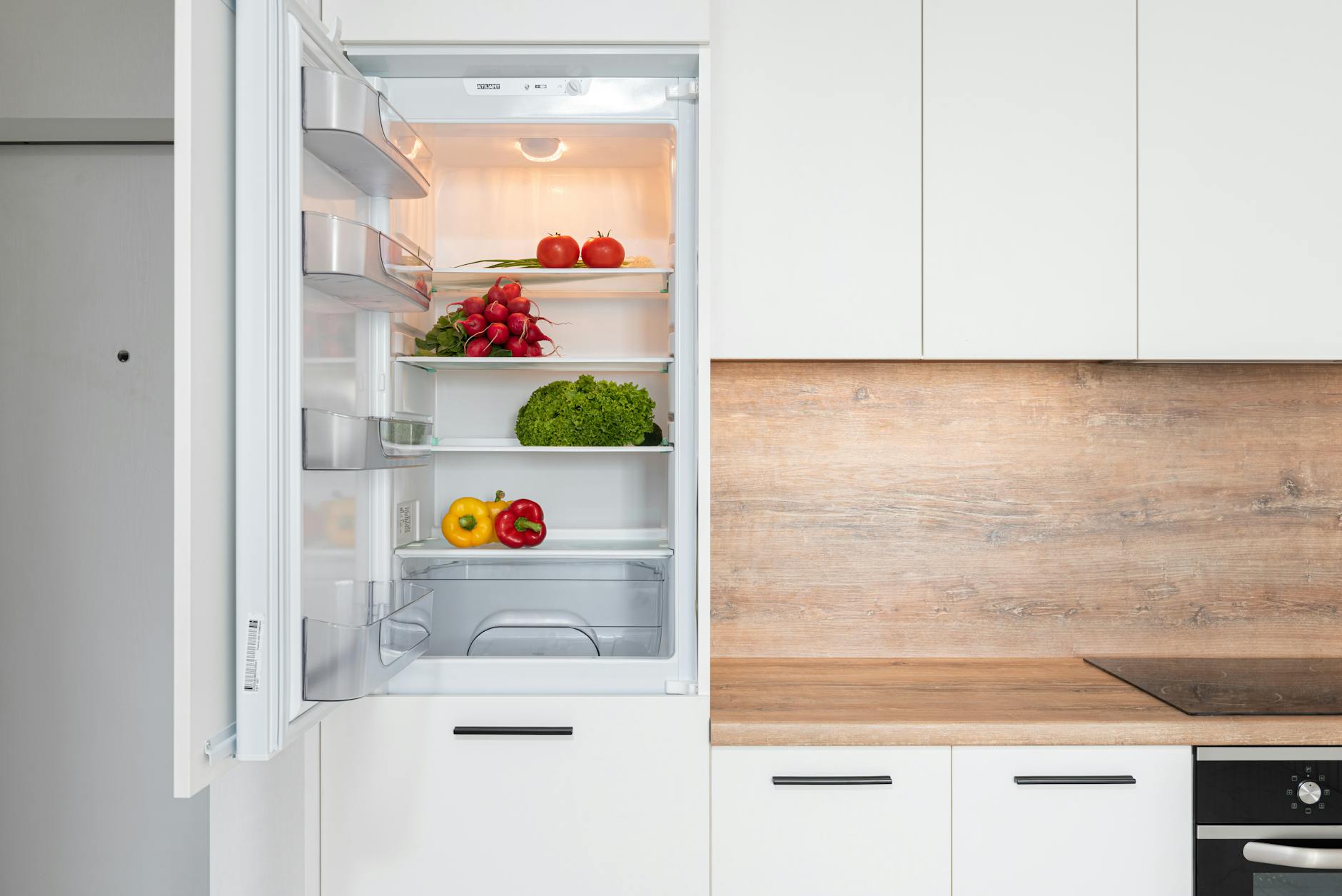
You don’t need fancy gadgets, but a few tools can make meal prep faster and more enjoyable:
- A slow cooker or Instant Pot for meals that cook while you’re away
- Sheet pans for roasting multiple items at once
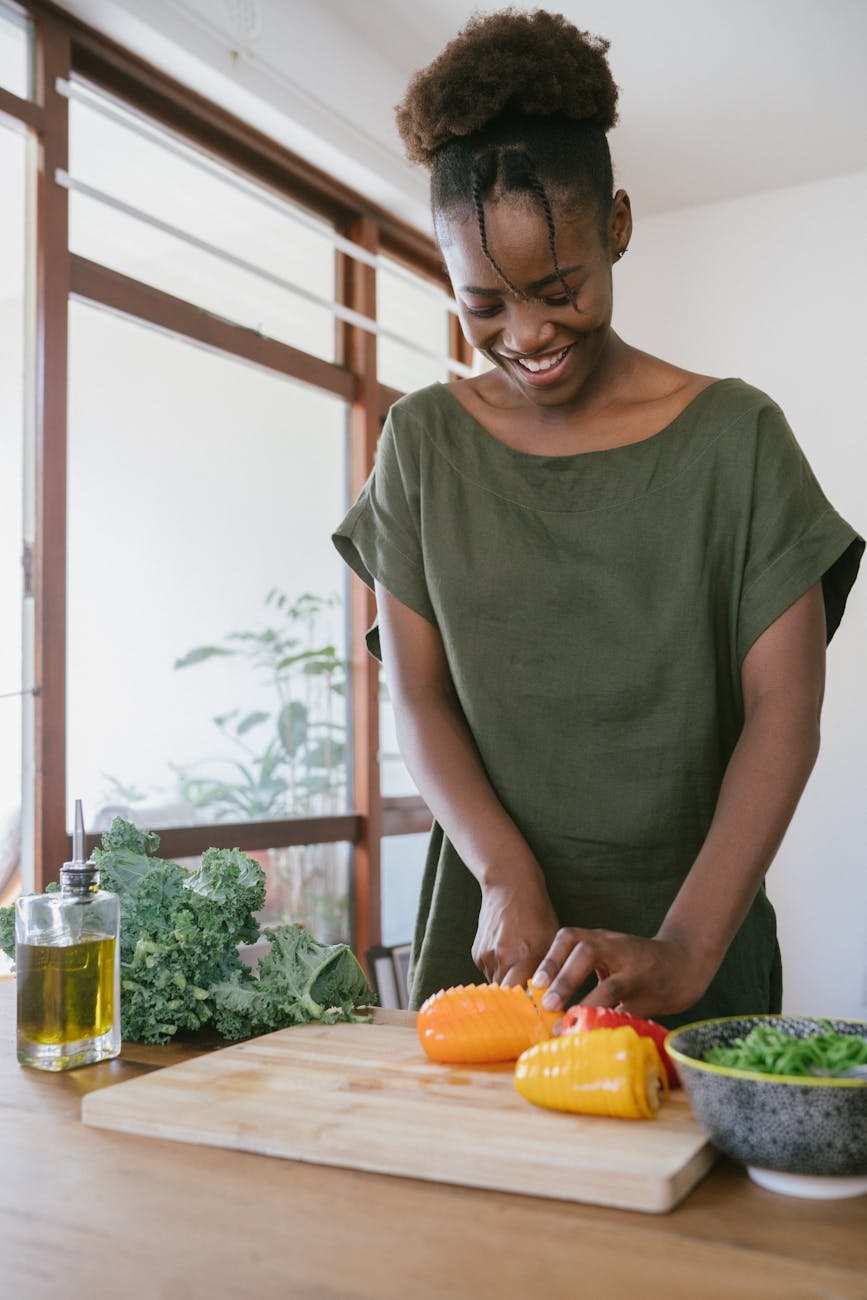
- Sharp knives and a cutting board for precise cutting
- Reusable containers for portioning and storing
Divide your sheet pan with foil to cook different ingredients simultaneously. This trick, recommended by BuzzFeed, helps save time and keeps flavors separate.
Prep in Layers, Not Full Meals
Rather than preparing entire meals in advance, focus on cooking individual ingredients that can be mixed and matched throughout the week. For example:
- Cook a batch of grains
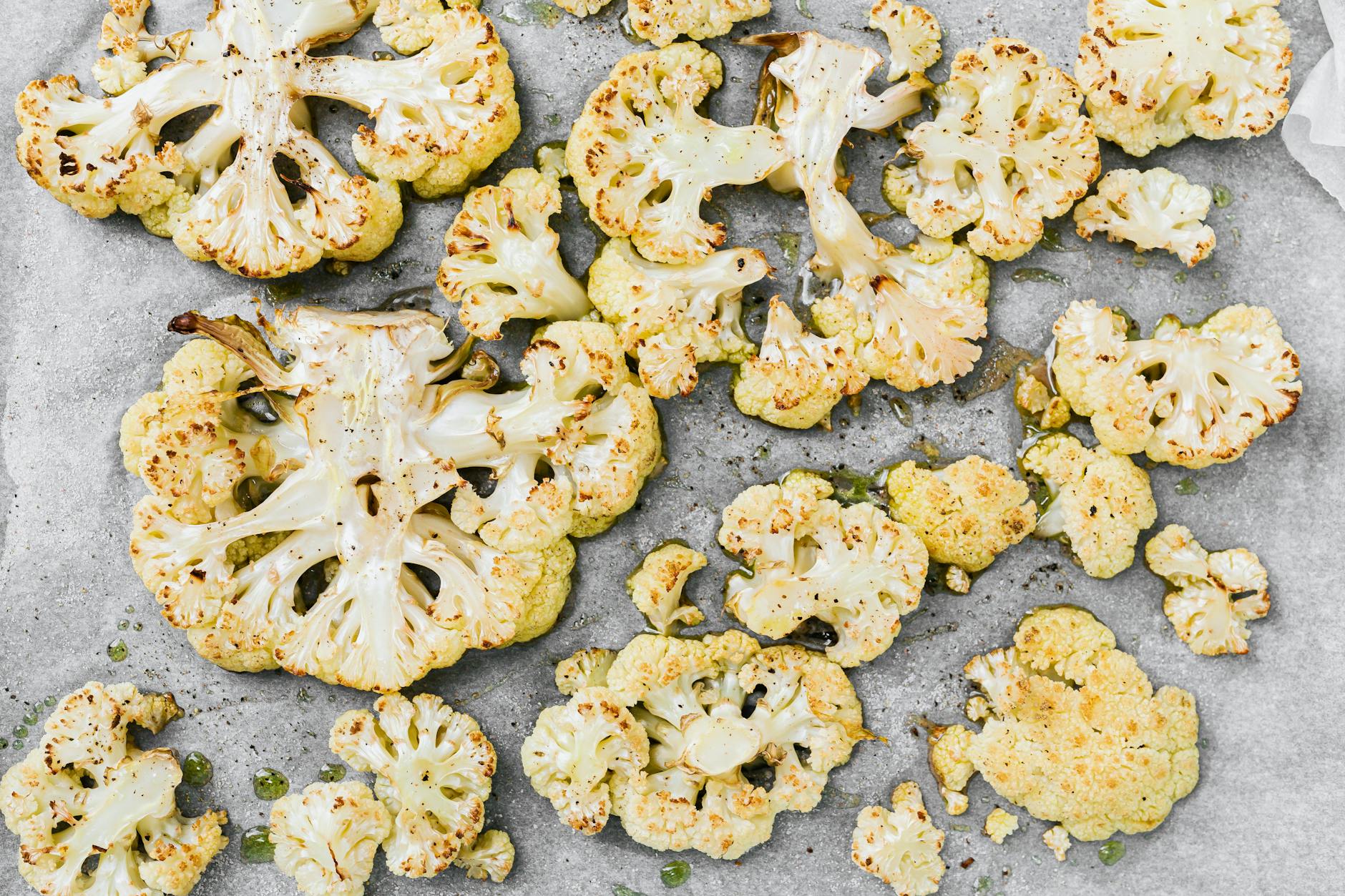
- Roast a tray of vegetables
- Grill or bake a protein
- Make one sauce or dressing
Then, mix and match throughout the week. This method reduces prep fatigue and keeps meals interesting. According to Centr’s guide to meal prep, variety is key to staying consistent without getting bored.

Don’t Skip the Snacks
Healthy snacks are often overlooked in meal prep, but they can make or break your energy levels during a busy day. Prep grab-and-go options like:
- Hard-boiled eggs
- Hummus with sliced veggies
- Energy balls or trail mix
- Yogurt with fruit and granola
Having snacks ready reduces the temptation to reach for processed foods. According to Harvard Health, balanced snacks help maintain blood sugar and improve focus throughout the day.
Make It Sustainable
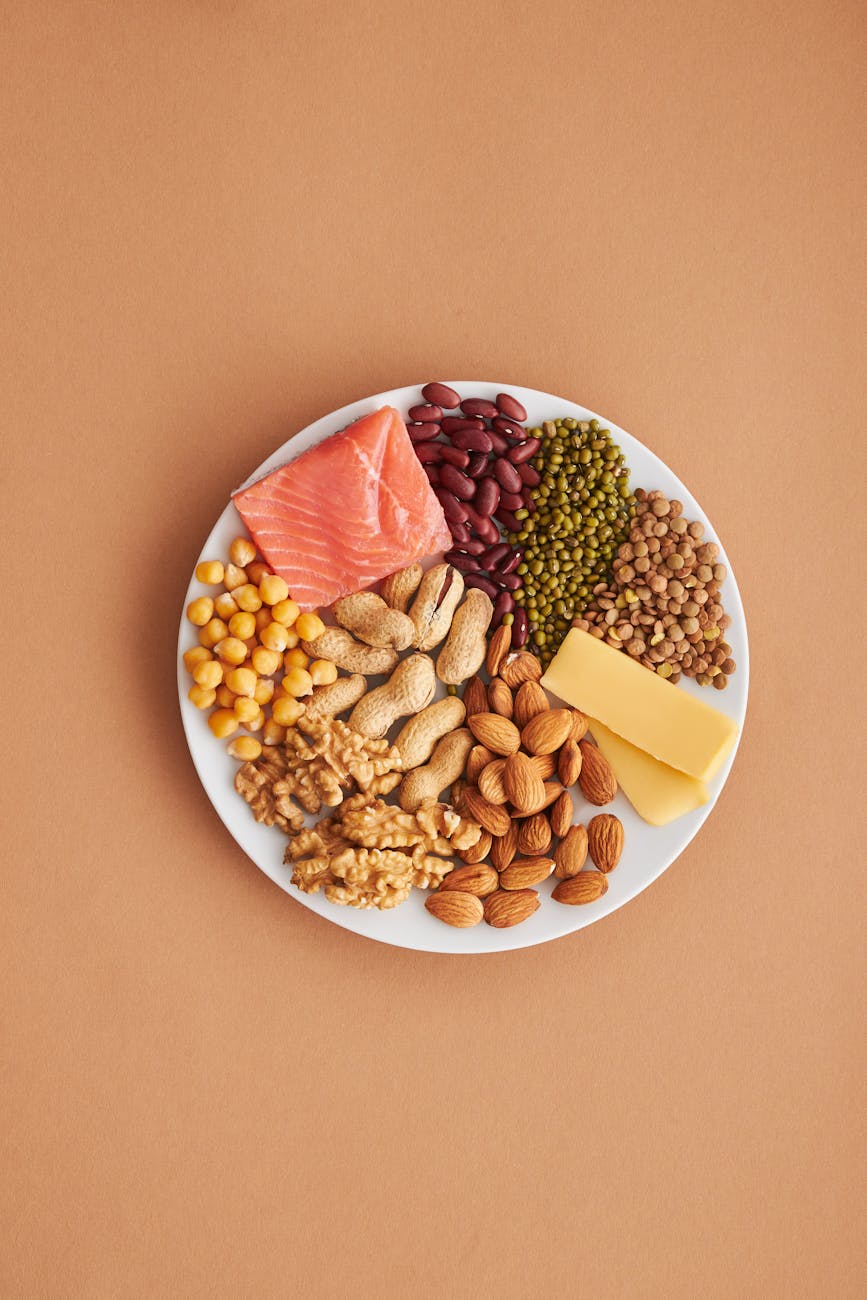
Meal prep should support your life, not complicate it. If you’re short on time, use shortcuts like pre-chopped vegetables or store-bought sauces. There’s no shame in simplifying. The goal is nourishment, not perfection.
Set aside 1–2 hours each week for prep, and treat it as a ritual. Put on music, listen to a podcast, or invite a friend to prep with you. Over time, this rhythm becomes second nature.
Final Thoughts
Meal prepping when you’re busy is about creating ease, not adding pressure. By planning ahead, choosing versatile ingredients, and keeping things simple, you can nourish yourself even on the most hectic days. Start small, stay flexible, and let your prep reflect your lifestyle, not someone else’s.



Leave a comment