A gentle guide to newborn care, covering feeding, sleep, hygiene, bonding, and safety essentials for new moms navigating the first weeks with confidence.

Understanding the First Few Weeks
The initial weeks after birth are a whirlwind of new experiences, emotional shifts, and unpredictable moments. While every baby is different, there are foundational care practices that help new moms feel more confident and prepared. From feeding schedules to sleep routines, understanding your baby’s needs early on can ease the transition into motherhood.
Research from Parents Magazine shows that the earliest weeks of life are marked by fast-paced growth and deep emotional connection between parent and child. Creating a calm, responsive environment helps your baby feel secure and supports healthy growth.

Feeding Your Newborn
Feeding is one of the most frequent and important tasks in the early days. Most newborns need to eat every 2 to 3 hours, whether breastfed or formula-fed. Breastfeeding offers natural immunity and bonding benefits, while formula feeding can provide flexibility and structure.
According to the American Academy of Pediatrics, breastfeeding should ideally begin within the first hour after birth. This early start helps establish milk supply and supports your baby’s immune system. Watch for hunger cues like lip smacking, rooting, or fussiness, and try to feed before crying begins.

Sleep Patterns and Safe Sleep
Newborns sleep between 14 to 17 hours a day, but rarely in long stretches. Expect short naps and frequent wake-ups, especially for feeding. Creating a consistent sleep routine can help your baby adjust to day and night rhythms.
Safe sleep practices are essential. According to the CDC, babies should sleep on their backs on a firm, flat surface with no soft bedding, pillows, or toys. Room-sharing without bed-sharing is recommended for the first six months to reduce the risk of Sudden Infant Death Syndrome (SIDS).

Diapering and Hygiene
Newborns typically need 8 to 12 diaper changes per day. Tracking wet and dirty diapers helps monitor hydration and digestion. Use fragrance-free wipes and gentle creams to prevent diaper rash, and allow for occasional diaper-free time to let skin breathe.
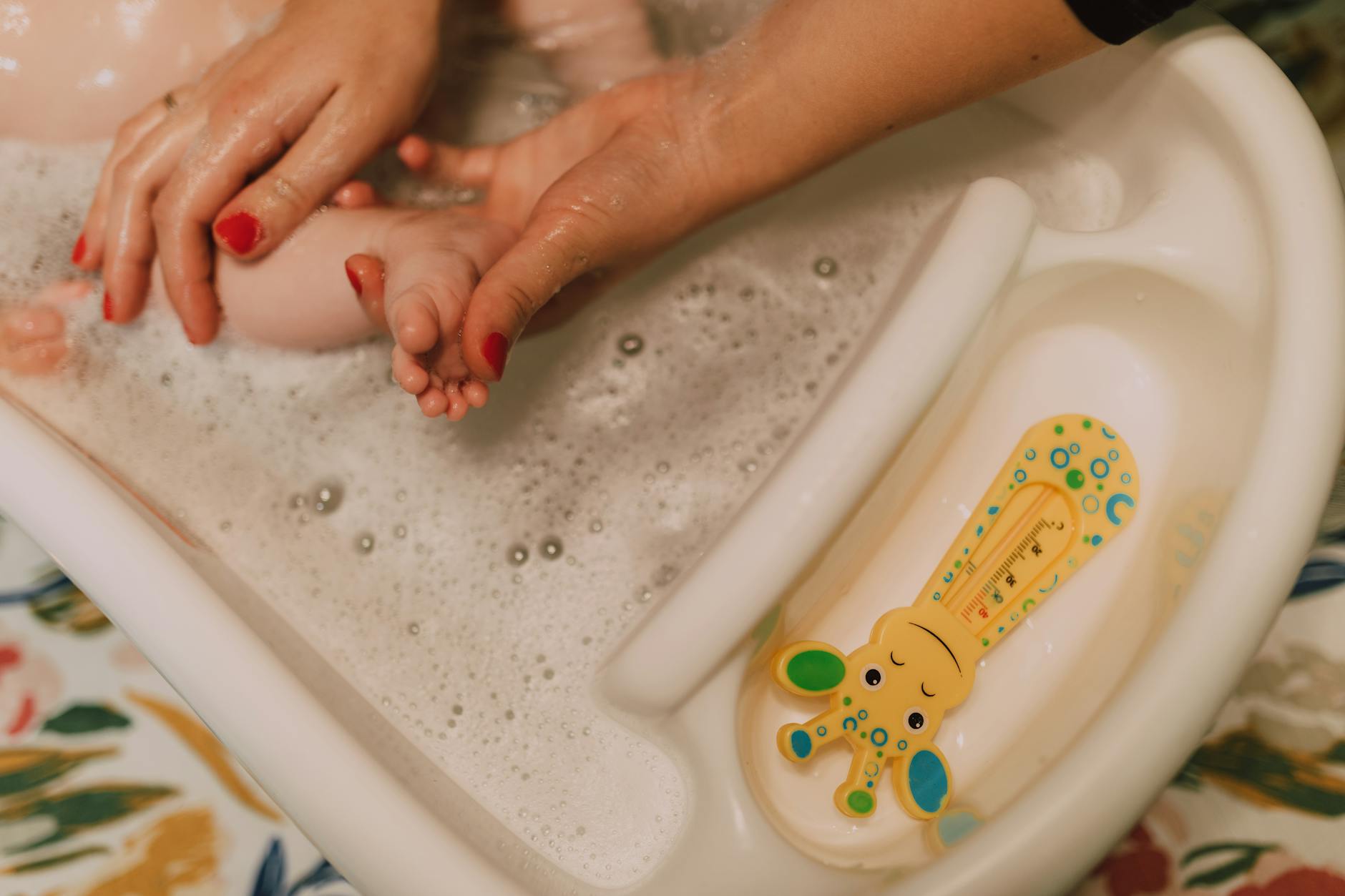
Bathing should be gentle and infrequent at first. Sponge baths are recommended until the umbilical cord stump falls off, usually within the first two weeks. Use lukewarm water and a soft cloth, avoiding harsh soaps or scrubbing.
According to Stanford Children’s Health, newborn skin is sensitive and prone to dryness, so moisturizing with unscented lotion after bathing can help maintain skin health.
Bonding and Emotional Connection
Bonding with your baby is a powerful part of early parenting. Skin-to-skin contact, eye contact, and gentle talking help build emotional security and trust. These interactions also support brain development and emotional regulation.
According to Care Insurance’s Parenting Guide, bonding activities like cuddling, singing, and soft play stimulate your baby’s senses and promote emotional growth. Offering gentle comfort when your baby cries fosters a sense of security and builds trust in your caregiving.

Car Seat Safety
Before leaving the hospital, you’ll need a properly installed infant car seat. The harness should be snug, with the chest clip at armpit level. Avoid bulky clothing that can interfere with the fit.
According to the National Highway Traffic Safety Administration, placing a blanket over the harness, not under it, is safer in cold weather. You can also call 866-SEAT-CHECK to find a certified technician who can inspect your installation.

Managing Visitors and Overstimulation
While loved ones may be eager to visit, it’s okay to set boundaries. The early days are ideal for quiet bonding and recovery. Too much stimulation can overwhelm both baby and mom.
Create a visitor plan that prioritizes rest and emotional safety. Short visits, hand washing, and limiting noise can help maintain a calm environment. According to Parents Magazine, newborns are alert and receptive after birth, making it a perfect time for bonding without distractions.

Recognizing Signs of Illness
Newborns are vulnerable to illness, so it’s important to know when to seek medical care. Signs to watch for include fever over 100.4°F, difficulty breathing, poor feeding, or unusual lethargy.
According to the Mayo Clinic, trust your instincts. If something feels off, contact your pediatrician. Acting quickly when concerns arise can reduce health risks and provide peace of mind for parents.
Building Your Support System
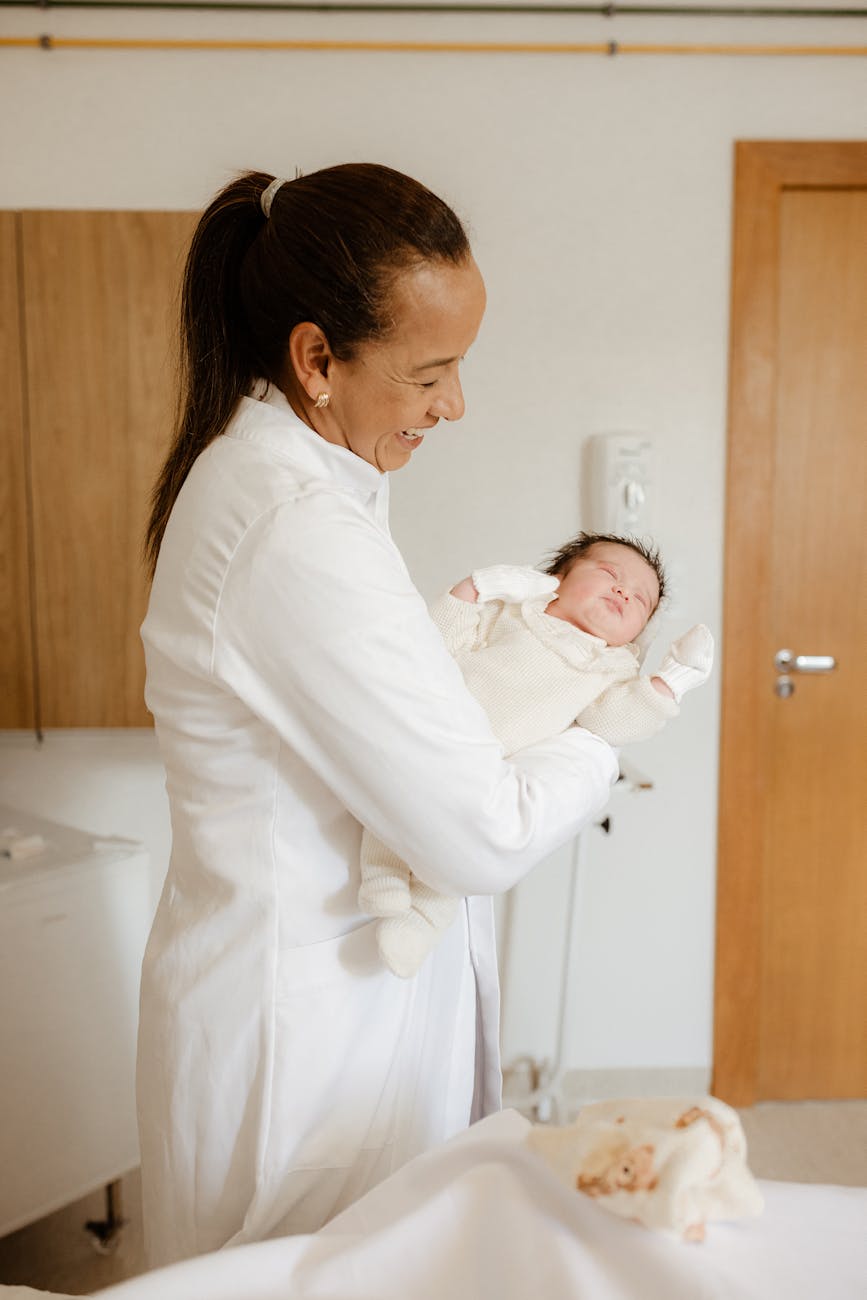
Caring for a newborn is not a solo task. Draw strength from your support network, whether it’s loved ones or medical professionals, to help navigate the challenges of early parenthood. Join local or online parenting groups to share experiences and ask questions.
A strong circle of support can ease emotional strain and empower you to care for your newborn with greater assurance. According to Parent Guide, planning ahead for pediatric care, budgeting, and emotional support can make the transition smoother and more manageable.

Final Thoughts
Newborn care is a journey of learning, patience, and love. While the first few weeks may feel overwhelming, each day brings new understanding and connection. By focusing on gentle routines, safety, and emotional bonding, you’ll build a strong foundation for your baby’s growth and your own confidence as a mom.






Leave a comment