As the air turns crisp and daylight fades earlier, many families begin craving comfort, routine, and warmth. Fall is the perfect season to reset your kitchen habits and embrace seasonal meal planning that feels both nourishing and sustainable. Whether you’re juggling work, caregiving, or simply trying to eat well without burnout, a cozy fall meal plan can help you stay grounded and inspired.
Why Fall Is Ideal for Meal Planning
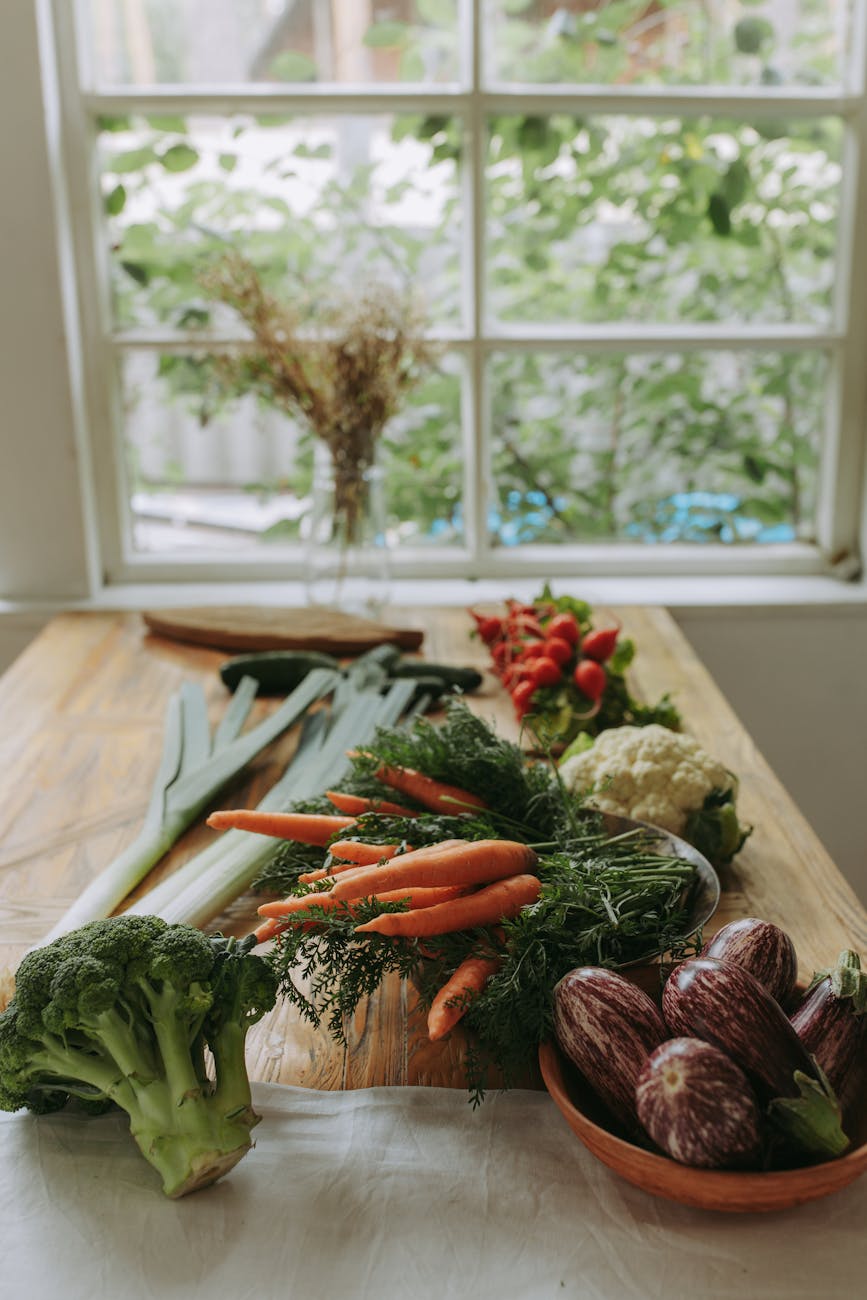
Fall naturally invites rhythm. With back-to-school schedules, cooler temperatures, and a shift toward indoor living, it’s easier to establish routines that stick. Seasonal produce is abundant, and cozy recipes like soups, stews, and baked dishes lend themselves beautifully to batch cooking and weekly prep.
According to the USDA’s seasonal produce guide, fall offers a wide variety of nutrient-rich ingredients like sweet potatoes, Brussels sprouts, apples, and pumpkins. These foods not only support immune health but also add depth and flavor to your meals.
Step 1: Choose a Weekly Meal Planning Rhythm
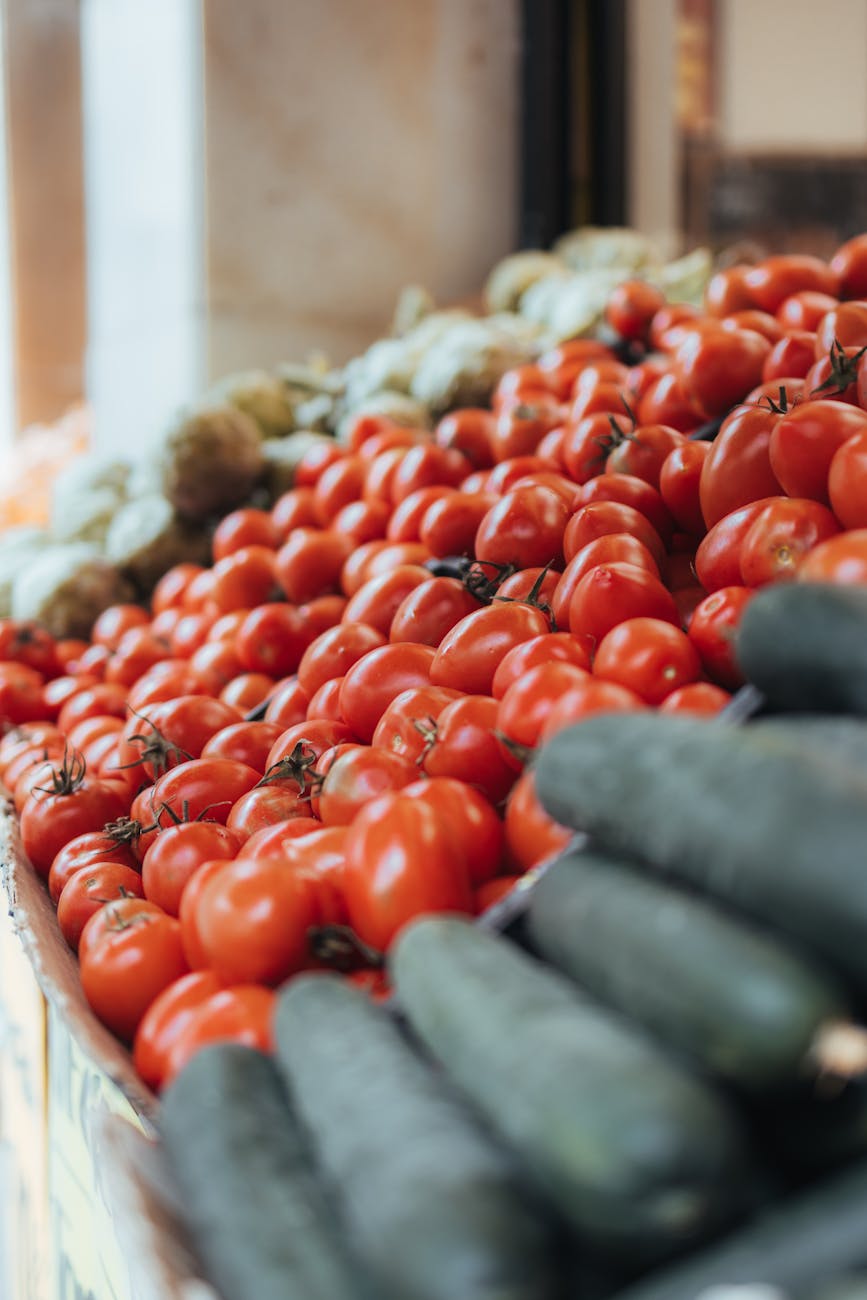
Start by deciding how often you want to cook versus reheat. Many people find success with a “cook once, eat twice” rhythm, where meals are prepped in bulk and repurposed throughout the week. Others prefer prepping ingredients (like roasted veggies or grains) and assembling meals fresh each day.
Here are three common rhythms to consider:
- Batch Cooking Sundays: Prepare 3–4 main dishes and store them in airtight containers.
- Midweek Refresh: Cook twice a week to keep meals fresh and varied.
- Daily Assembly: Prep ingredients ahead, then mix and match based on mood or schedule.
Choose the rhythm that fits your lifestyle, energy levels, and family needs.
Step 2: Build a Cozy Recipe Rotation
Cozy recipes are those that feel grounding, warm, and satisfying. Think slow-cooked stews, creamy soups, roasted vegetables, and baked casseroles. These meals often use seasonal ingredients and can be made in large portions.
Here’s a sample fall meal prep rotation:
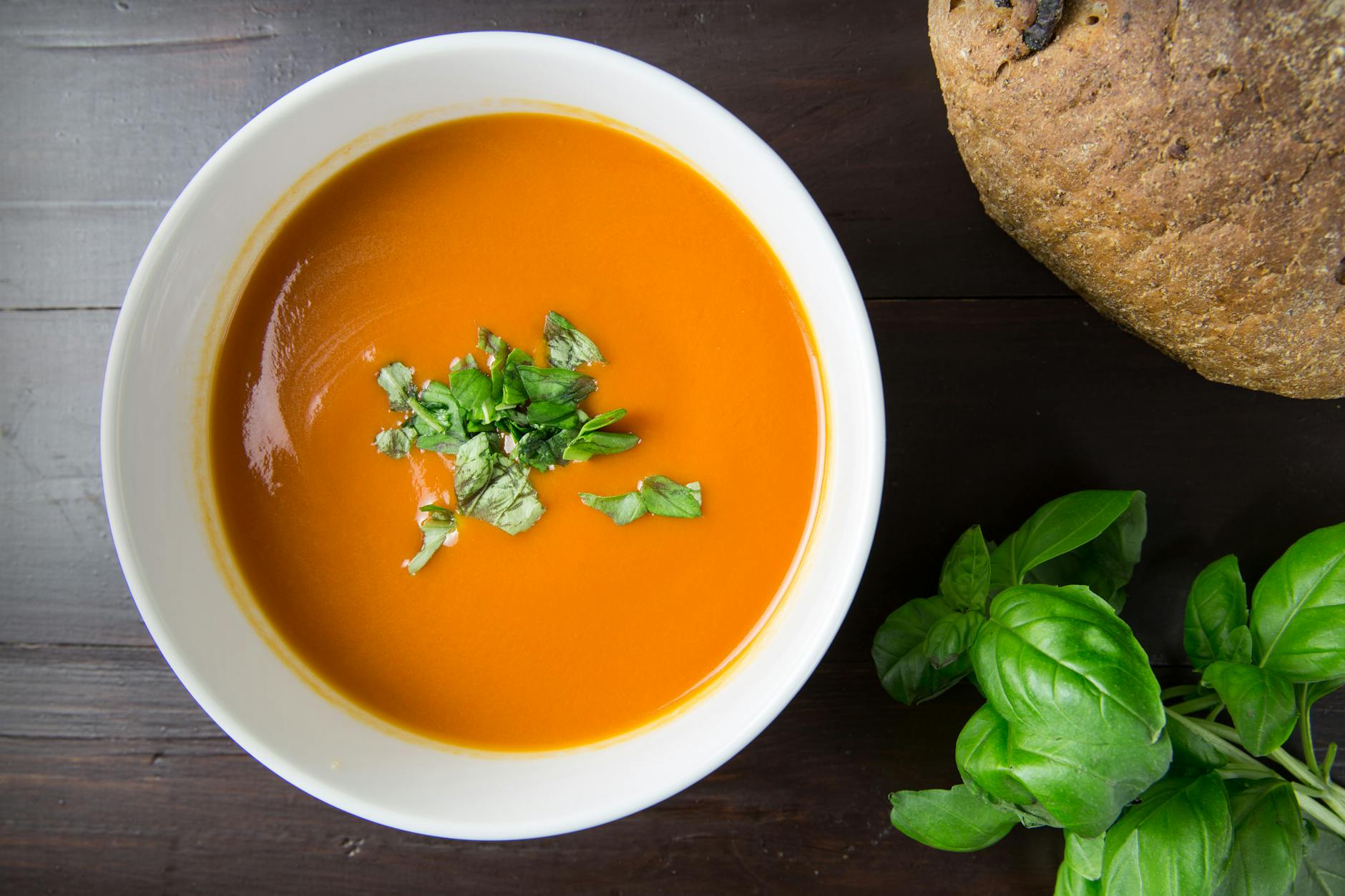
- Monday: Butternut squash soup with crusty bread
- Tuesday: Sheet pan chicken with root vegetables
- Wednesday: Lentil stew with kale and sweet potatoes
- Thursday: Baked pasta with pumpkin sauce
- Friday: Apple cinnamon oatmeal (breakfast-for-dinner option)
- Weekend: Use leftovers creatively or try a new cozy recipe
According to Harvard Health, meals rich in vegetables and whole grains support long-term health and energy, especially during colder months when immunity needs extra support.
Step 3: Shop Seasonally and Strategically
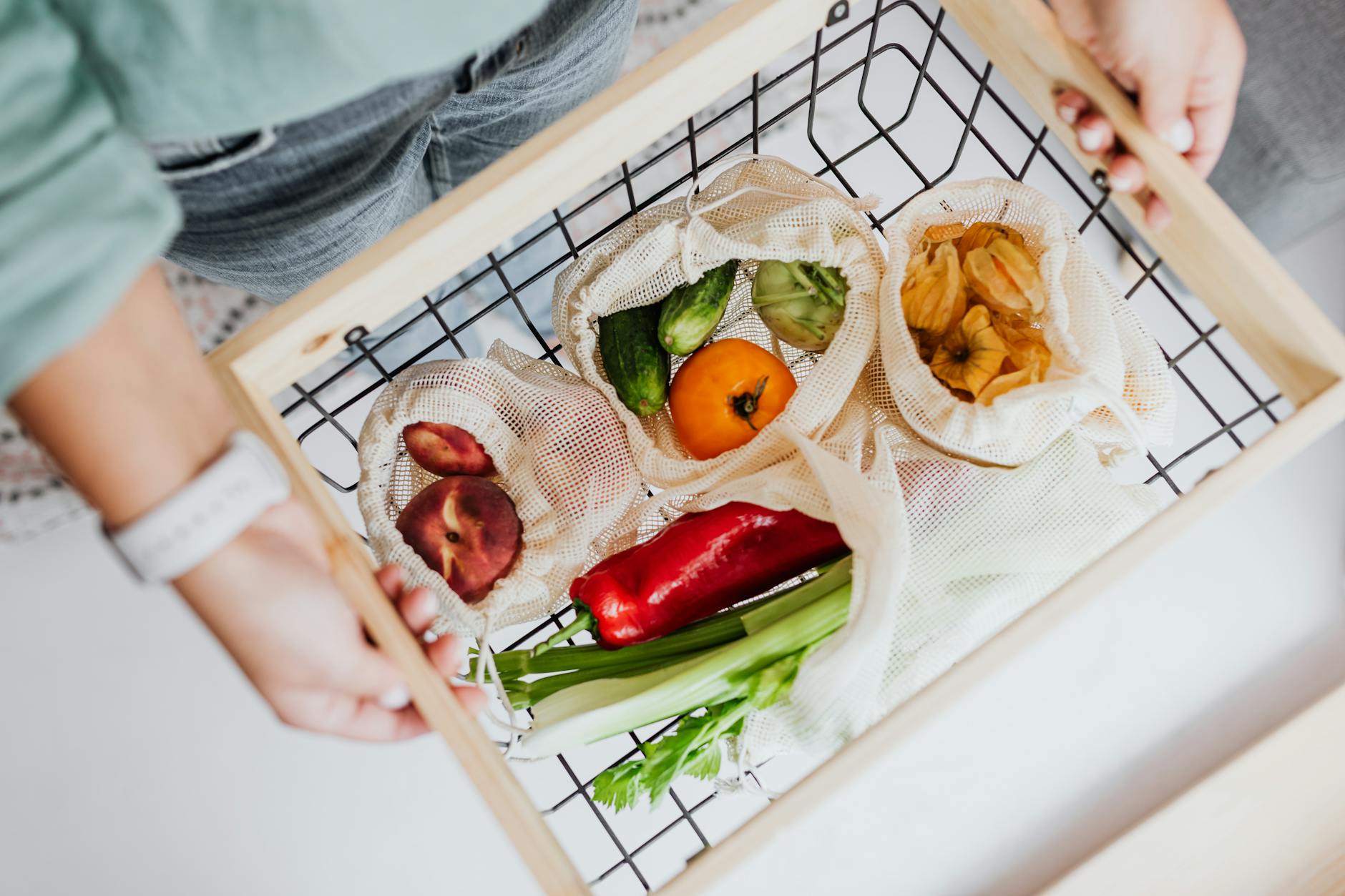
Seasonal meal planning starts with smart shopping. Focus on produce that’s in season and often on sale. This not only saves money but also ensures your meals are packed with flavor and nutrients.
Tips for strategic shopping:
- Make a master list: Include pantry staples, proteins, and seasonal produce.
- Shop once a week: Reduces impulse buys and saves time.
- Buy in bulk: Stock up on grains, legumes, and spices for cozy recipes.
- Use frozen produce: Great for smoothies, soups, and stir-fries when fresh isn’t available.
According to the Environmental Working Group, choosing organic for certain fall produce like apples and kale can reduce pesticide exposure, especially for children and sensitive individuals.
Step 4: Prep Ingredients, Not Just Meals
If cooking full meals ahead feels overwhelming, start by prepping ingredients. This method offers flexibility while still saving time.
Ingredient prep ideas:
- Roast a tray of root vegetables
- Cook a pot of quinoa or brown rice
- Make a batch of soup base or broth
- Chop onions, garlic, and herbs for quick use
- Bake muffins or granola for breakfast/snacks
This approach allows you to mix and match based on cravings or schedule changes, while still keeping your fall meal prep intentional and cozy.
Step 5: Create a Visual Meal Plan
A visual plan helps reduce decision fatigue and keeps your week on track. Use a whiteboard, printable template, or digital calendar to map out meals.
Include:
- Main dishes
- Breakfast options
- Snacks and treats
- Notes for leftovers or flexible nights
Seeing your plan laid out makes it easier to stick to and adjust as needed. It also helps with grocery planning and reduces food waste.

Step 6: Add Rituals That Make Meal Prep Enjoyable
Meal prep doesn’t have to feel like a chore. Add rituals that make it cozy and restorative:
- Light a candle while cooking
- Play your favorite fall playlist
- Sip a warm drink while chopping veggies
- Involve kids or loved ones in simple tasks
- Journal your favorite recipes or seasonal memories
These small touches transform meal prep into a grounding ritual that supports both physical and emotional well-being.
According to the American Psychological Association, routines and rituals can reduce stress and improve mood, especially during seasonal transitions.

Step 7: Stay Flexible and Reflect Weekly
No meal plan is perfect. Life happens, cravings shift, and energy fluctuates. The key is to reflect weekly and adjust gently.
Ask yourself:
- What meals felt most comforting or energizing?
- What prep tasks felt easy or draining?
- Did anything go to waste?
- What seasonal ingredients do I want to try next?
Use these reflections to tweak your plan and keep it aligned with your needs. Cozy recipes and seasonal meal planning should feel supportive, not rigid.

Final Thoughts
Creating a cozy fall meal plan that actually works is about more than just food. It’s about building routines that nourish your body, calm your mind, and bring warmth to your days. By leaning into seasonal ingredients, cozy recipes, and gentle planning rhythms, you can transform your kitchen into a space of comfort and care.
Whether you’re cooking for one or managing a busy household, fall meal prep can be a grounding anchor in your week. Start small, stay flexible, and let the season guide you.






Leave a comment