As the pace of life picks up in September, many families find themselves juggling school schedules, work demands, and shifting routines. Fall is a season of transition, and meal prep can be a powerful tool to bring ease, nourishment, and structure to your week. With the right strategies and fall recipes, time-saving meal planning becomes less of a chore and more of a rhythm that supports your family’s wellness and flow.
Whether you’re managing after-school activities, working from home, or simply trying to avoid the 5 p.m. dinner scramble, this guide offers practical tips for family meal prep that align with seasonal ingredients and real-life routines.
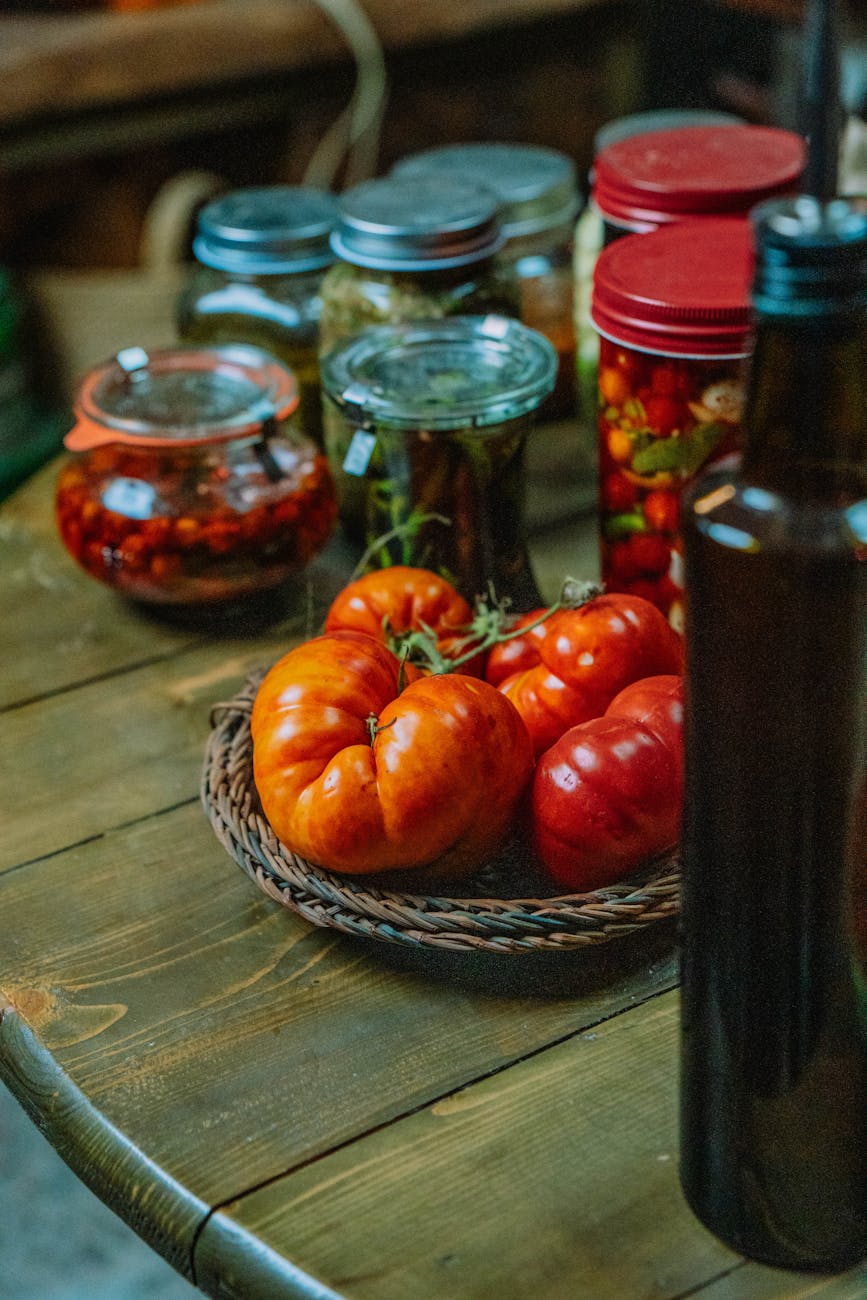
Why Meal Prep Matters More in Fall
Fall brings structure, but also fatigue. The return to school and cooler weather often means more indoor time, more commitments, and less energy for spontaneous cooking. According to Berry Street Nutrition, meal prep during fall helps reduce decision fatigue, improve nutrition, and save time throughout the week. It also supports emotional wellness by creating predictable rhythms and reducing stress around food.
Meal prepping doesn’t mean cooking every meal in advance. It can be as simple as chopping vegetables, marinating proteins, or batching grains. The goal is to reduce friction during busy moments and make nourishing choices easier.
Step 1: Build a Time-Saving Meal Planning Routine
Start with a weekly rhythm that fits your family’s schedule. Choose one day, often Sunday or Monday, for planning and prepping. Keep it simple and repeatable.
Time-saving tips:
- Use a rotating meal template (e.g., soup Mondays, taco Tuesdays, pasta Thursdays)
- Plan for 3 to 4 dinners and leave room for leftovers or takeout
- Choose recipes that share ingredients to reduce prep time
- Keep a running list of family favorites to reduce decision fatigue
According to Harvard Health, consistent routines improve emotional regulation and reduce stress. Meal planning becomes easier when it’s part of a larger rhythm.
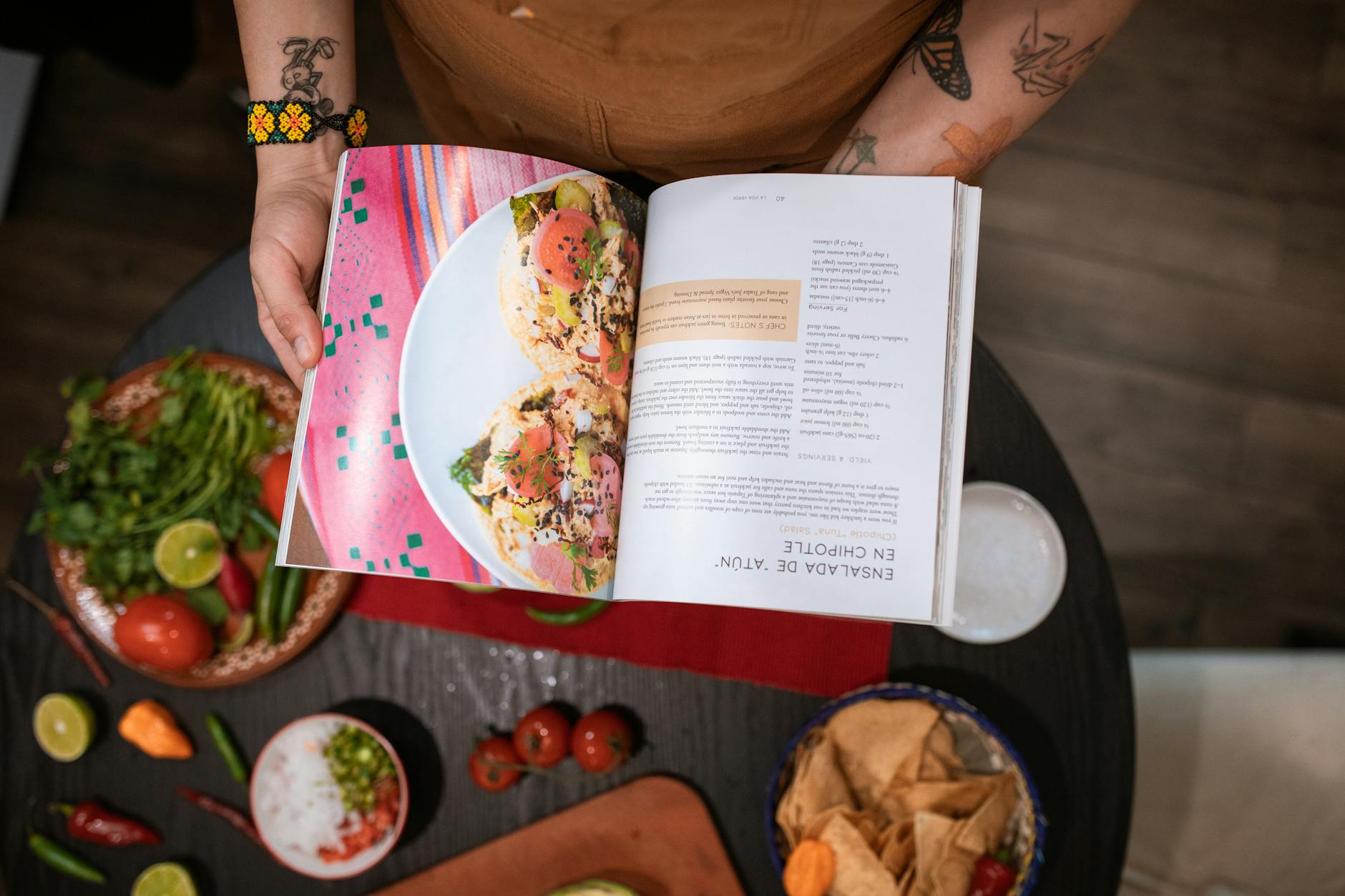
Step 2: Choose Fall Recipes That Are Prep-Friendly
Fall recipes lend themselves beautifully to meal prep. Think soups, casseroles, roasted vegetables, and hearty grain bowls. These dishes often reheat well and can be made in large batches.
Prep-friendly fall recipes:
- Butternut squash lasagna
- Sweet potato and chickpea curry
- Maple mustard chicken with Brussels sprouts
- White chicken chili
- Roasted vegetable grain bowls
According to Taste of Home, make-ahead meals like mini shepherd’s pies, tortellini soup, and cozy casseroles are ideal for busy families. They offer warmth, nutrition, and convenience.
Batch cooking these meals allows you to portion them into containers for easy grab-and-go lunches or quick dinners.
Step 3: Prep Ingredients, Not Just Meals
If cooking full meals in advance feels overwhelming, focus on prepping components. This method gives you flexibility while still saving time.
Ingredient prep ideas:
- Roast a tray of seasonal vegetables (carrots, squash, Brussels sprouts)
- Cook a batch of grains (quinoa, rice, farro)
- Marinate proteins for quick cooking later
- Chop onions, garlic, and herbs for the week
- Make a simple sauce or dressing to use across meals
According to The Everygirl, prepping ingredients separately helps maintain freshness and allows you to mix and match throughout the week. It also reduces cleanup and cooking time on busy nights.

Step 4: Use Smart Storage Strategies
Proper storage is key to keeping meal prep fresh and safe. Invest in quality containers and label everything with dates. Store sauces separately to prevent sogginess, and freeze portions you won’t use within three days.
Storage tips:
- Use glass containers for reheating and visibility
- Label with masking tape and a marker for easy tracking
- Store grains and proteins separately to maintain texture
- Freeze soups and stews in flat bags for space-saving
- Keep snacks and lunch items in grab-and-go bins
According to Berry Street Nutrition, storing components separately extends shelf life and supports variety. It also helps kids and partners build their own meals with ease.
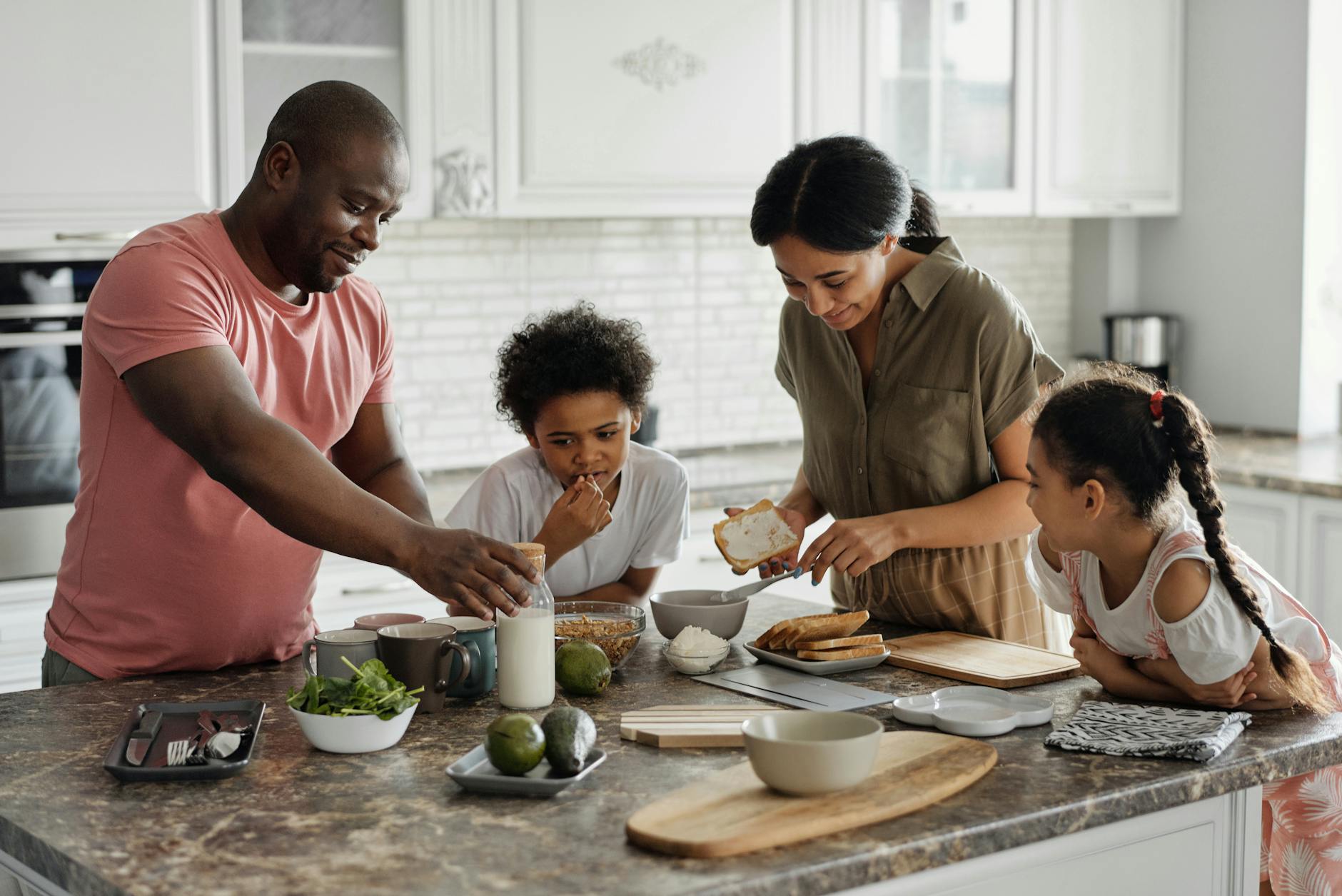
Step 5: Involve the Whole Family
Meal prep doesn’t have to be a solo task. Involving your family can make it more fun and sustainable. Kids can help wash produce, stir sauces, or portion snacks. Partners can assist with chopping or organizing.
Family-friendly strategies:
- Create a prep playlist or podcast ritual
- Assign age-appropriate tasks to kids
- Let family members choose one meal each week
- Use prep time as a chance to connect and unwind
According to Psychology Today, shared tasks foster emotional connection and reduce stress. When meal prep becomes a family rhythm, it feels less like a chore and more like a shared investment in wellness.
Step 6: Keep a Weekly Prep Routine
Consistency is key. Even if you only prep one or two meals, doing it weekly builds momentum. Over time, you’ll refine your system, discover favorite recipes, and reduce stress around food.
Weekly rhythm ideas:
- Sunday: Plan meals, shop, and prep grains and veggies
- Monday: Cook one batch meal and portion leftovers
- Wednesday: Refresh ingredients or prep for the weekend
- Friday: Review what worked and adjust for next week
This rhythm supports intentional living and emotional wellness by reducing last-minute decisions and creating space for rest and connection.
Final Thoughts
Meal prep for busy families doesn’t have to be complicated. With cozy fall recipes, time-saving strategies, and a flexible routine, you can create a system that supports your lifestyle and emotional wellness. Whether you prep full meals or just ingredients, the goal is ease, nourishment, and connection.
Let this season be a time of rhythm, not rush. With a little planning and a lot of heart, your kitchen can become a place of warmth, clarity, and calm, even on the busiest days.





Leave a comment